Learn More About The Menopause

Menopause is a natural biological process, marking the end of a woman’s menstrual cycle and fertility. It's a transition that can bring various physical and emotional symptoms, although every woman's journey is unique. We've compiled a wealth of content designed to support you during this transition, from perimenopause through to post-menopause. Expect to find articles exploring the signs and stages of menopause, as well as ways to enhance your diet, sleep, fitness and overall lifestyle.

The Three Stages of Menopause

Dr. Fionnuala Barton breaks down your menopause biochemistry

Perimenopause


On average, perimenopause lasts 4-8 years, but it can start up to 10 or even 15 years in advance of menopause.

Perimenopause occurs as your finite ovarian reserves are drained, and the amount of oestrogen produced becomes less predictable.

Throughout perimenopause, levels diminish to reach the low levels we see at menopause and beyond.


Menopause


Menopause is defined as the point at which a woman has not had a period for 12 consecutive months.

This is ultimately a singular point in time and often something we only recognise when looking back.

The ‘average’ age of menopause is around 48-52, so symptoms of perimenopause can start in our 30s or 40s.


Post-menopause


After menopause, once your ovarian reserve has been exhausted, there are no more follicles to mature for ovulation.

The ovaries effectively stop functioning. Oestrogen, progesterone and testosterone levels are low, so symptoms tend to be long-standing and progressive over time.


Menopause Symptoms Decoded

Understand these common menopause symptoms with help from Dr Lindsay Thomas

GP Appointment Checklist

Planning on talking to your GP about your symptoms? Dr Clare Spencer recommends preparing a list of things to discuss to ensure you get the best out of the appointment.

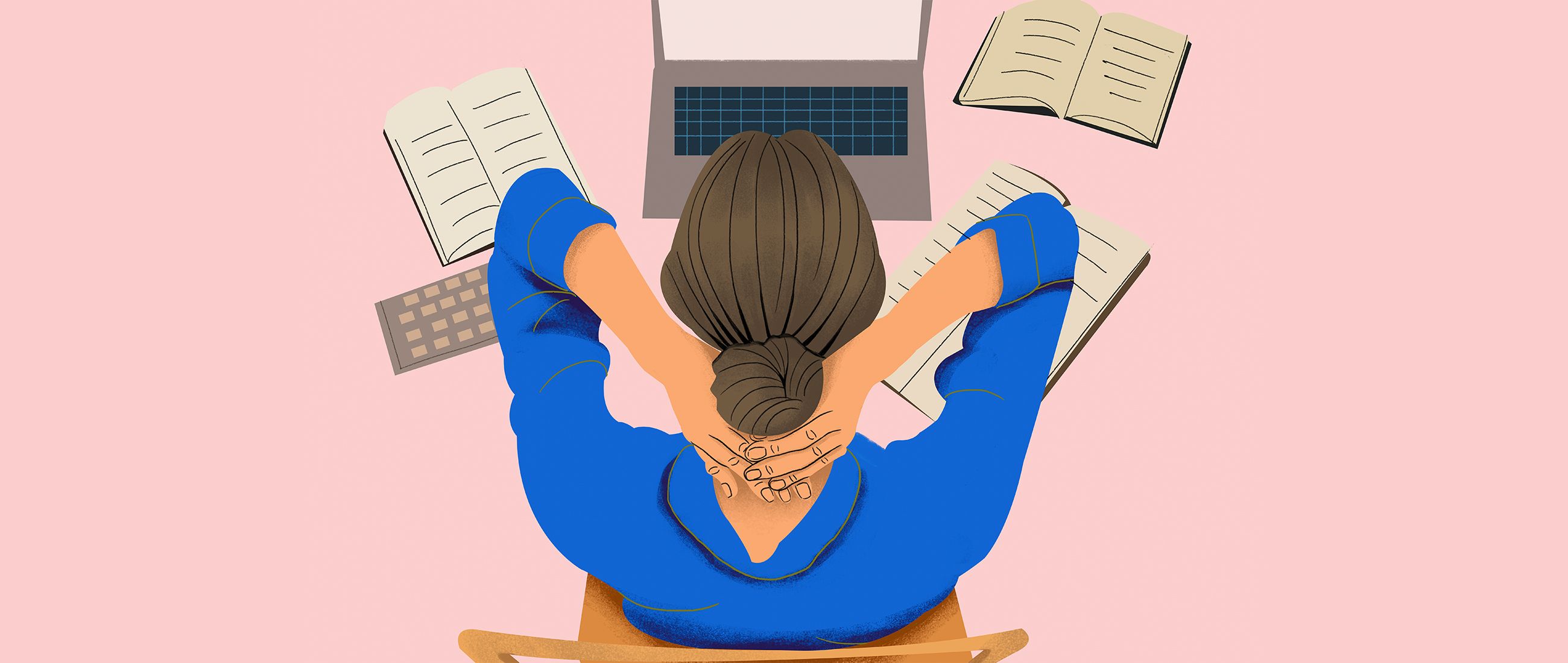
Menopause and Work: Making it Work For You

Writer Louise Slyth explores how flexible working and corporate accommodations can make menopause more manageable.

The Stark Reality

A staggering “five in ten women are thinking of leaving employment altogether due to their experiences of menopause”, according to 2023 research undertaken by Royal London.

Leaving the workforce can have profound implications for a woman’s psychological and financial wellbeing. This data implies that women either don’t feel comfortable asking for support, or they aren’t getting it when they do. The same research indicated that “82% of women… said they would be more likely to stay with their current employer if they were better supported”, but that many are uncomfortable discussing menopause with their managers, especially if that manager is male. 

The Stark Reality

Essential Flexibility

Jane Galloway, award-winning life coach and Founder of Quiet The Hive, has helped many women through this transitional period. “The return to pre-pandemic working patterns may mean we see increasing numbers of women walk away from work” she asserts. 

“Long commutes can become nightmares with symptoms like hot flushes and anxiety, and many other symptoms can be more comfortably dealt with a home office environment. Simple flexible adjustments could make all the difference”.

Lisa, 58, Founder of Eight Coaching, suffered with sleep issues. She negotiated a flexible working agreement that allowed a later start on days when she’d had little sleep - if her diary allowed. 

Lisa revealed “Going through the experience gave me the impetus to become a menopause coach, so I can help organisations make things better for women experiencing symptoms. This kind of flexibility is something I wish for women, to enable them to balance the impact of menopause whilst still working."

Essential Flexibility

Be the Change You Want to See

Rupa, 57, suffered from severe anxiety during menopause.  This made holding a senior director role incredibly challenging.  Although her position didn’t offer formal flexible hours, her supportive line manager allowed her to take time off when she needed to.  

Rupa tells us “That understanding made all the difference. It enabled me to continue performing at a high level, stay in a job I loved, and prioritise my wellbeing without compromising the career I had worked so hard to build.” 

Rupa is now a menopause champion in her organisation and helps women going through similar challenges. Rupa explains “I’ve learned that sharing our stories not only empowers us but also creates space for others to thrive."

These examples illustrate that advocating for your wellbeing and having a supportive employer can make a huge difference. 

Be the Change You Want to See

The New Way of Work

Galloway explains “Organisations that take flexibility seriously avoid losing skilled and experienced women from the workforce. Arrangements don’t need to be formal or complicated; simple adjustments and compassionate approaches make all the difference. However, this understanding can vary from manager to manager and having good menopause policies in place ensures that everyone benefits equally”. 

Jemma Forrest is a director in the Employment, Immigration and Pensions team at Scottish law firm Anderson Strathern, and an active member of the firm’s equality, diversity and inclusion committee.

She says: “Compared with health issues like periods, menopause has only recently begun being openly discussed. Women impacted by menopause can and should be able to make flexible working requests, including working from home or asking for reasonable adjustments, although there is no guarantee these requests will be accepted”. There is guidance from The British Standards Institution on menopause in the workplace, although sadly it’s not enshrined in law. 

Forrest affirms “Employers needn’t find supporting employees with menopause daunting. Simply by creating a culture of empathy and understanding, they can help their people feel more comfortable - both about going through menopause and talking about it.”

Galloway suggests having the right support in place for women is a win-win. “Flexible and remote working can increase psychological safety, productivity and engagement - things that successful organisations really need.” 

The New Way of Work

The No-Nonsense Guide to Adaptogens

Journalist and menopause coach, Elizabeth Joseph, explains what an adaptogen is, and their role in your midlife supplementing schedule.

Separating Myth from Fact

“Have you tried ashwagandha? Omega-3 changed my life! Sage was a gamechanger for me. What do you mean you don’t take magnesium?”

Sound familiar? Are you already overwhelmed in menopause? Does this well-meant advice simply add to this feeling? Let’s see if together we can find a way through all this noise. Let’s look at what we mean by supplements and adaptogens, what advice is out there and how you can decide what is right for you.

Separating Myth from Fact

What is a Supplement?

A definition of supplements points to ‘any product that is used to supplement a diet and to maintain, enhance and improve the healthy function of the human body’, for example magnesium and omega 3. Adaptogens ‘are natural substances from herbs, roots, and mushrooms that help your body manage and adapt’ like sage and ashwagandha.

You’ll have heard numerous supplements and adaptogens recommended to you by experts and influencers. But which are the ones that most agree we need?

Well, vitamin D comes out on top to support bone health, regulate mood and support our immune health. Omega-3 supports heart and brain health, reduces inflammation and is believed to ease joint pain, mood swings and brain fog.

Magnesium is also constantly mentioned. However, choose your magnesium carefully. There are different types to support different issues. For digestion choose citrate. For sleep and anxiety look to glycinate/bisglycinate. For joint pain look to malate. If you simply grab a pot labelled ‘Magnesium’, chances are you’ve picked up Magnesium Oxide which is poorly absorbed by the body and most used as a laxative.

What is a Supplement?

What About Adaptogens?

These are natural substances considered to help the body adapt to stressors. And in menopause and midlife, they can seem like an attractive option for supporting the myriad symptoms women can face.

They’re a challenging area to navigate, with many claiming a certain herb is life changing and others feeling no benefit whatsoever. Word of mouth also has a big part to play in creating the impression that adaptogens are a miraculous cure-all. Ashwagandha can supposedly support sleep, reduce anxiety, regulate blood sugars and boost energy. Sage can wondrously reduce hot flushes, reduce inflammation, support brain heath and digestion (according to some).

I recently interviewed a leading HRT specialist who pointed out that many women tell her that adaptogens seem to work for three months and then are no longer supportive. This has led her to believe they are simply placebos.

Another recent interview, with a functional wellness expert, backed this up to a certain extent. She explained that the body builds up a resistance to adaptogens after about three months, so a break is needed.

And What About Adaptogens?

Keep in Mind…

The key take away must be that we are all individuals. We don’t all have the same symptoms, and our bodies don’t all react in the exact same way. Only you can feel when something is supporting you and when it is not - or it has stopped. One size does not fit all.

Do your research and give an adaptogen or supplement a try. Remember to always to check with your doctor for any contraindications with existing medication or issues. And if taking supplements isn’t for you, that’s also fine. Get your vitamin D from getting outside and your magnesium and your omega-3 from your diet. Do what works for you. Remember, you are the expert on you.

Brain Fog in Menopause

Find out what can help with brain fog from Dr. Lindsey Thomas and hear from some of our QVC presenters, as they share their own experiences managing problems with memory and concentration.

Healing and Learning in Midlife

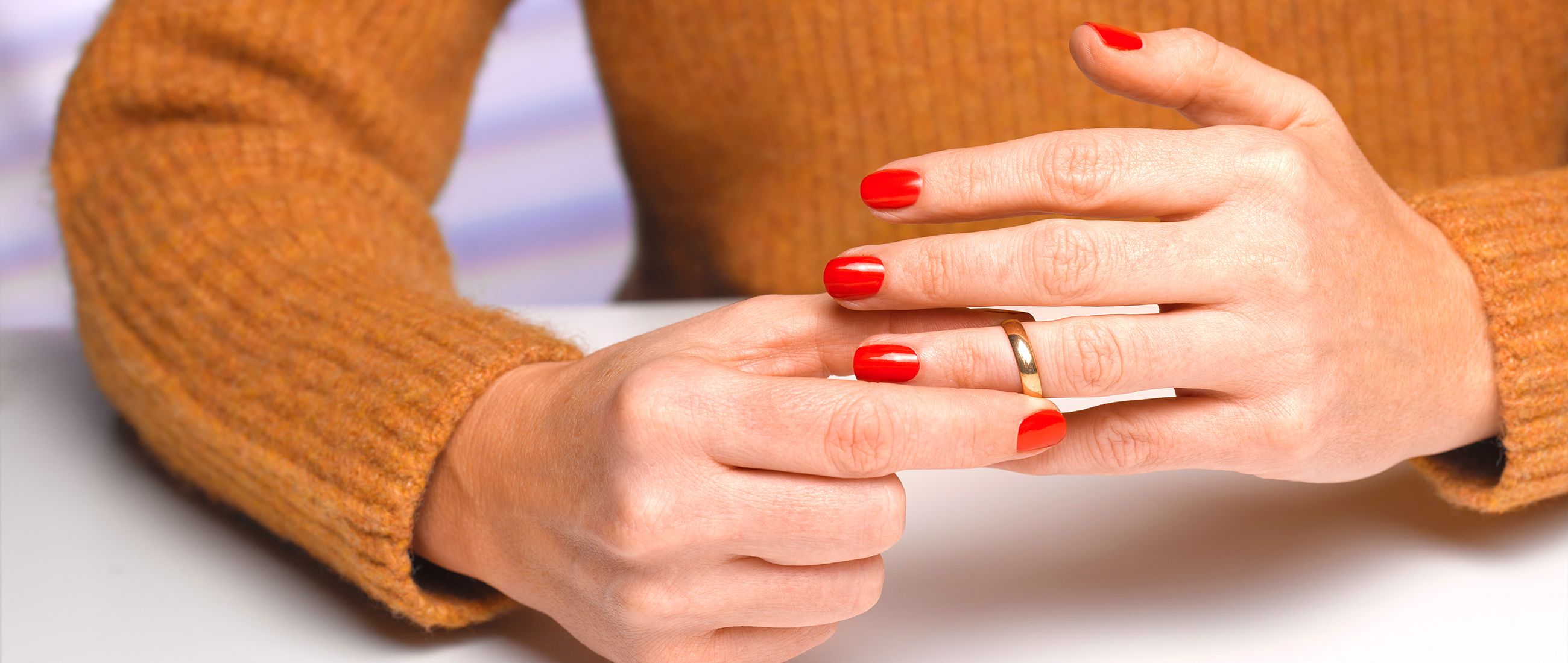
Journalist Rosie Green shares how she went from heartbreak to happy - and her advice for other women going through the same experience

A Seismic Shift

As life changes go, this one was seismic. And unlike a hair colour switch, career pivot, or relocation, something it felt impossible to put a positive slant on. 

It was a marriage break up. And not one of my choosing. It involved infidelity, a tsunami of snot and tears and, eventually, divorce. 

Full disclosure, I had no choice in my marriage’s dissolution. I had desperately hoped to keep our family together, but my ex wanted out and so, after some very undignified pleading, I ungraciously accepted.

I was broken.

After twenty-six years of us, of feeling part of a team of two, I felt very alone. 

Suddenly there was no security net, no sounding board. No... him. 

I was discombobulated. Devastated. Distraught. 

A Seismic Shift

Navigating More Change

Professionally, I was at a low ebb. After I’d had children, I’d gone part-time to look after them and had traded a beloved and hard-won staff position at Red Magazine for a freelance career to be there for the school pick-ups and drop-offs, doctors' appointments and school plays. I loved my job, but as my industry was seemingly more flexible than his, I became the primary carer. 

This reduced my earning power and, if I’m honest, my career confidence. When self-employed I always felt like an outsider. I liked the freedom but found the income instability and the fact I had to constantly push myself forward, hard. 

Then on the same day my husband left the family home (no forwarding address), I got a call from my main employer saying my services where no longer required.

I was floored. Again. 

It was without doubt the lowest I’ve ever felt. 

Navigating More Change

Finding the Light

Yet even on that dark, dark day there was some life force within me that meant I knew I had to pull myself up and propel myself forward. That nothing good would come from anger, bitterness or resentment.

I met with the editor of Red magazine and told her everything. She asked if I wanted to write about my experience and I told her I did. As I typed my story out it felt cathartic. Helped me process what had happened and make a bit more sense of it. 

I felt sick emailing it off. Worried that by talking publicly I would expose my children to more harm, make myself look mad, sad or bad. But I did it anyway. 

It was the start of my climb out of the pit of despair. People messaged in their thousands. They empathised, told me their own stories. Then editors and TV and radio producers got in touch wanting to interview me. Eventually a publisher asked me to write a book.

Suddenly I was front page news (literally!).  My Instagram account grew quickly and became a place that women could tell their stories.  Sharing experiences helped us all. When people have affairs, they often behave in unexpected ways. The cognitive dissonance that arises from them acting against their moral code can make them angry and cold hearted. 

Understanding this is key.

I often muse on why people’s best creative work comes from crisis (hello Adele and Lily Allen) and it’s to do with an alchemic mix of vulnerability, authenticity and hope.

So, for anyone suffering from heartbreak, sadness or grief, I feel your pain. Keep going, one step, one day, one micro improvement at a time. I promise this crappy experience will make you stronger, more resilient and more empathetic. And quite possibly happier. It did me. 

Finding the Light

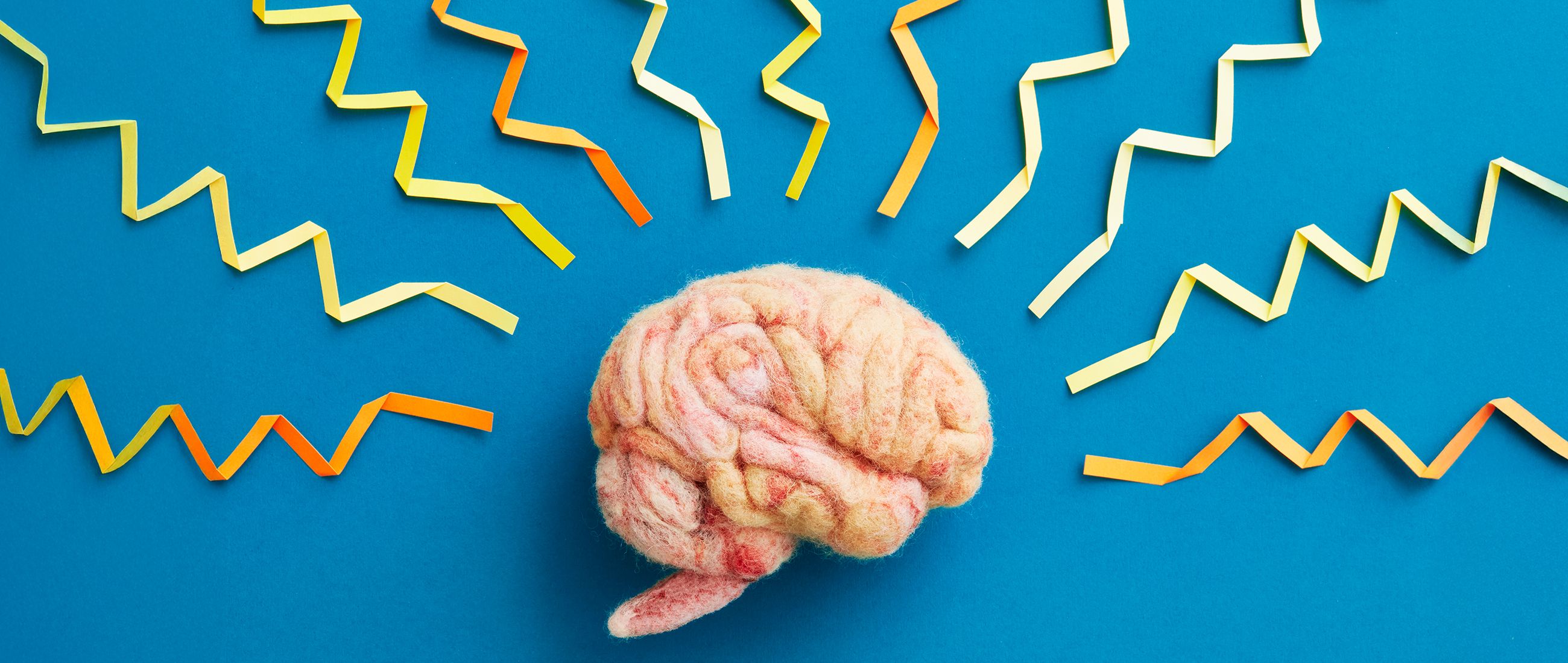
Mind Coding for Menopause

Author, hypnotherapist and NLP master coach, Dani Diosi, explains how mind-coding techniques can support your menopause journey.

Dani Diosi

What is Neuro Linguistic Programming and Mind Coding?

NLP (Neuro Linguistic Programming) and Mind Coding are both methods of examining what beliefs we hold in our subconscious, understanding how these impact our day-to-day life and behaviours and learning how to change these behaviours if they are not serving us.

These are extremely useful tools if you are currently anywhere in the menopause journey, regardless of whether you have decided to take HRT or to manage your symptoms alternatively.  Tools and techniques that help with your mindset during this time can make a big difference.

Brain-boosting foods

The Way We Think in Menopause

During perimenopause, the brain is being ‘updated’ to enable it to deal with this stage of life. This also happens during puberty and pregnancy, to cope with the resulting changes and responsibilities. These updates, combined with hormonal changes, can result in many of the symptoms experienced during perimenopause. Techniques based on NLP and Mind Coding help with the underlying feelings and beliefs that can make symptoms feel much worse.

Brain-boosting foods

The Power of the Pause

We are often most embarrassed by whichever symptoms happen when it is least convenient for them to do so, e.g. a hot flush or ‘word finding’ during an episode of brain fog. Our instinct is to tense up and maybe even panic, which can exacerbate discomfort, so it is very helpful to pause and breathe. By focusing on a slow out breath (exhalation), allowing the in-breath (inhalation) to happen naturally and then breathing out slowly again, you can re-set your nervous system, making everything feel like it’s easier to deal with.

Reframe Your Thoughts

We have, on average, 60,000 thoughts a day. 95% of those thoughts are subconscious, compared to a mere 5% of conscious ones. Our subconscious thoughts are based on (usually) negative self-beliefs, and most people live their lives masking their insecurities while juggling their responsibilities. However, because of the hormone changes that happen during perimenopause and onwards, these insecurities can become harder to hide from yourself. Therefore, Catch the thought, Challenge it, and Change it.

Next time you find yourself thinking you are incapable for not being able to remember a word or having missed an appointment, re-frame it into something more positive e.g. ‘calm means capable.’

Brain-boosting foods

Your Best Next Step

We all know what we should be doing as far as life management is concerned, but sometimes it all feels too challenging, which leads to non-completion and feelings of failure. Next time this happens, consider what your best next step could be. If you have promised yourself you were going to go to the gym but couldn’t face it, try getting off the train a stop earlier and walking more, or taking the stairs instead of the lift. After all, nobody ever reached the top of a mountain by jumping - they took it one step at a time.

Practise Makes Perfect

The more you respond to menopause symptoms using mindset techniques, your subconscious will learn your default setting is calm, making any symptoms (and recovery from them) easier to manage.

Help Managing Hot Flushes

GP and Co-Founder of My Menopause Centre, Dr Clare Spencer, shares her expert tips on how to help manage hot flushes. We also hear from our QVC presenters and customers about their own experiences of having a hot flush.

The Heart-Healthy Plate

Nutritionist and author, Karen Newby, explores how to support your cardiovascular health in menopause.

Menopause is now classified as an inflammatory transitional period in a woman’s life, and this is one of the reasons our heart health stats can be affected by menopause. Our risk of heart attack increases significantly post menopause and becomes the same as a man’s. Our blood pressure can also increase. However, it is estimated that a whopping 80-90% of our cardiovascular risk is preventable through diet and lifestyle shifts, which is a HUGE percentage! The Mediterranean Diet was first researched in the 1950s due to low instances of cardiovascular disease in the region. Key components are included below and also include polyphenol rich olive oil, lycopene rich (a potent antioxidant) tomatoes, pulses and wholegrains.

Foods for Heart Health

Here are five key food groups to add into your diet to help support your cardiovascular health during menopause and beyond:

1. Add in more Omega-3 rich foods which are known for their anti-inflammatory affects and to help keep our blood vessels healthy. Omega 3 is an essential fat which we must get from our diet. These include oily fish such as salmon, sardines, trout, herring (kippers anyone?) and mackerel; and vegan sources include linseed/flaxseed oil and nuts like walnuts and almonds. 

2. Turmeric and ginger are potent anti-inflammatory foods known to benefit our cardiovascular health. Add sliced ginger to hot water on waking. Grate it into your porridge or overnight oats. Same goes for turmeric - buy fresh and keep in the freezer and grate it into curries or tagines or pop it into juices.

Temperature Therapy to Support Menopause Symptoms

Journalist Suzanne Baum explores how controlling your temperature can benefit you in midlife

Hot Or Cold? Why Not Both!

Unsure how best to deal with a menopausal hot flush, night chill and other hormonal fluctuations? Don’t sweat it as we look at the benefits of hot and cold therapies that will keep you feeling cool when things are heating up. From cold showers and swimming to hot baths and heated pads, there are ways you can help alleviate symptoms such as hot flushes and mood swings.

Much has been written about how cold therapy offers a natural way to support your body through this hormonal transition, but heat can also be hugely beneficial too. In fact, a combination of the two can often provide multiple benefits if used sensibly.

Hot Or Cold? Why Not Both!

Feeling the Chill

“Menopause affects the body’s internal thermostat, making temperature swings feel far more intense than before,” explained pharmacist and health expert Thorrun Govind, who is also a health expert for the UK-based advocacy group Menopause Mandate. “With some simple hot or cold techniques at the right moment, you can take back some control and feel more comfortable.”

Cold therapies, she explains, are especially useful during a hot flush or night sweat. Products such as a cooling gel, cold pack or handheld fan can quickly reduce that sudden wave of heat and help you feel grounded again. As for cold water swimming - that many women experiencing menopause symptoms swear by - don’t jump into the deep end if you are new to it. According to Thorrun, it’s “something that you need to build up slowly, so your body gets used to it.”

In agreement is menopause specialist and women’s health GP, Dr Rachel Hines, who says many of her patients have spoken of the benefits of cold water swimming in helping with not only hot flushes, but anxiety, mood swings and irritability too. This is because cold water boosts our levels of dopamine; the brain chemical that helps stimulate the release of our happy hormones beta-endorphins and serotonin.

Feeling the Chill

Warming Up

If you don’t want to try cold water swimming, Dr Hines suggests “having a cold shower in the evening, something which can help with sleep that can be particularly helpful if having insomnia.”

As for when heat therapy can come in use, if you suffer from joint pains, aches and stiffness - common symptoms in menopause - adding warmth to the area can provide comfort.

“Ignore the myth that you should avoid all heat therapies during menopause,” explained Thorrun. “Yes it is not your friend when you are having a hot flush and will make symptoms more intense, but gentle controlled heat can be soothing and beneficial for aches and pains or as an aid for sleep.”

Warming Up

Alternating Temperatures to Work For You

A warm bath before bed for example can relax your muscles and support better sleep, while saunas are also a good choice as they can help stimulate circulation, promote endorphin release and contribute to a relaxation in your muscles. Other heat therapies like an electric blanket, hot water bottle and warm compresses can also work to relieve body pains, tension and stress which in itself can indirectly help ease menopausal symptoms.

What is the MTick?

Created by GenM, the Menopause Partner for Brands, the MTick is the universal shopping symbol for products that help ease, relieve or support any of the 48 symptoms and signs of menopause. We're proud to have it at QVC.

Press Play on Life

Browse our videos on YouTube for expert advice on menopause, personal stories and tips

Frequently Asked Questions About Menopause

Menopause is a natural biological process that affects anyone who has periods, marking the end of the menstrual cycle and fertility. The average age of menopause is around 48-52, but symptoms of perimenopause can start in our 30s or 40s.

The three stages of menopause are perimenopause, menopause and post-menopause. Perimenopause refers to the time when your body begins to transition to menopause and your finite ovarian reserves are drained, with the amount of oestrogen produced becoming less predictable. Menopause is defined as the point at which a woman has not had a period for 12 consecutive months. Post-menopause is the time after menopause, when your ovarian reserve has been exhausted and there are no more follicles to mature for ovulation.

On average, perimenopause lasts 4-8 years, but it can start up to 10 or even 15 years in advance of menopause. The average age of menopause is around 48-52, but symptoms can last for months or years.

Some of the most common symptoms of menopause are skin changes, hair changes, hot flushes, night sweats, sleep issues, fatigue, brain fog, anxiety, joint pain, vaginal dryness, bladder weakness and weight gain, but there are dozens more signs and symptoms.

As we age our immune systems become less effective. For those experiencing menopause, the effect is then amplified by falling levels of oestrogen, progesterone and testosterone. There can also be an impact on cardiovascular health due to falling oestrogen levels and changes to cholesterol levels, as well as an increase in urinary tract infections (UTIs).

During perimenopause and menopause, a number of other factors are at play too that can have an affect on health, including poor sleep, stress and anxiety, increase in body weight, and low iron levels.

Management of menopause symptoms is not one size fits all and you should navigate through the menopause transition in your own way. Looking at your lifestyle to see if there are any changes you can make to lead a healthier life can be beneficial.

Caffeine, for example, can make hot flushes worse, negatively impact your bladder, and increase anxiety, so reducing or switching to decaffeinated versions can help. Stopping smoking can help reduce the risk of heart disease and osteoporosis and can also help manage hot flushes.

Exercise of any sort is recommended, helping with weight gain, reducing the risk of heart disease. Weight bearing and muscle gaining exercise can even help reduce the risk of osteoporosis. Exercise can also help mood, reduce anxiety and help reduce brain fog.

There are alternative remedies and herbal medicines that may help but won't be safe for everyone. Speaking to a practitioner, pharmacist or doctor with knowledge of herbal medicine is recommended. And it’s important to know that some herbal medicines can interfere with medicines that are prescribed by doctors. If you are investigating herbal solutions, always look for the THR mark on the box. The Traditional Herbal Registration certification means the product has been registered by the Medicines and Healthcare products Regulatory Agency under the UK Traditional Herbal Registration Scheme.

During menopause, there are significant hormonal changes that occur in a woman's body. These changes primarily involve a decline in the production of estrogen and progesterone, two key hormones involved in the menstrual cycle and fertility.

Estrogen levels gradually decrease during perimenopause, which is the transitional period leading up to menopause. This decline in estrogen can cause various symptoms such as hot flushes, night sweats, vaginal dryness, and mood swings. Estrogen is also important for maintaining bone health.

Progesterone levels also decline during menopause. Progesterone is responsible for preparing the uterus for pregnancy each month. Its decrease can lead to irregular periods and changes in the menstrual cycle.

Other hormones, such as follicle-stimulating hormone (FSH) and luteinizing hormone (LH), also play a role during menopause. FSH levels increase as the ovaries produce less estrogen. This can result in disrupted menstrual cycles and lead to symptoms such as hot flushes.

Hormone changes in menopause can have an impact on mental health as well as physical health. The menopause transition sees an increase of psychological issues including a higher risk of developing depression and research shows over 50% of women experience symptoms like brain fog, word loss, increased anxiety and loss of confidence during menopause. Stress is another complex factor during menopause, with midlife women facing various physiological and social changes that can impact mental health.

Menopause marks the end of a person's menstrual cycle and fertility, defined as the point at which they have not had a period for 12 consecutive months.

Hormone Replacement Therapy (HRT) is a medical treatment given to help manage menopause symptoms. However, some people choose not to take it, others have been advised that because of their medical history it may be too risky for them, and others would like to take something alongside their HRT to help them manage their symptoms. The good news is that there are a range of different options.

The content of the QVC website is for information only. It is not intended as a substitute for professional medical advice, diagnosis or treatment. Always seek the advice of your doctor or other qualified health provider with any questions you may have regarding a medical condition. Never disregard professional medical advice or delay in seeking it because of something you have read on the QVC website. We understand there’s a lot of information out there on the menopause. You can read through the NICE guidance on menopause management, as well as the NHS overview on the menopause.