







Get 10% Off Your First Order
Sign up now for all the latest offers and inspiration, plus 10% off your first order.
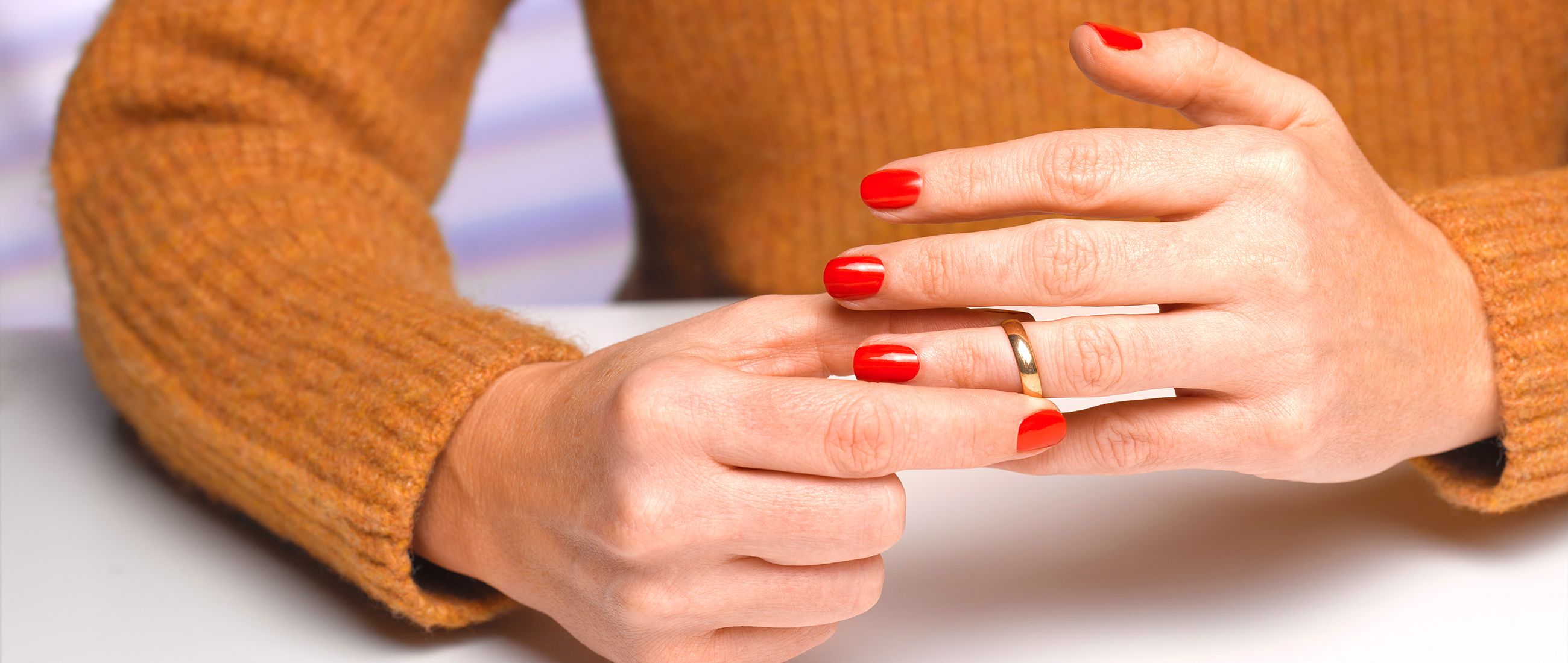
During midlife, the shift in hormone levels and the symptoms associated with perimenopause and menopause, may have a deep impact on our lifestyle and relationships. It can feel like a lonely time for many, but by working to shift mindsets, increase understanding, and improve communication, this stage of life can be an exciting journey of personal and relational growth. Explore the topics below to find out more about supporting lifestyle and relationships in midlife.
Writer Louise Slyth explores how flexible working and corporate accommodations can make menopause more manageable.
Journalist Rosie Green shares how she went from heartbreak to happy - and her advice for other women going through the same experience
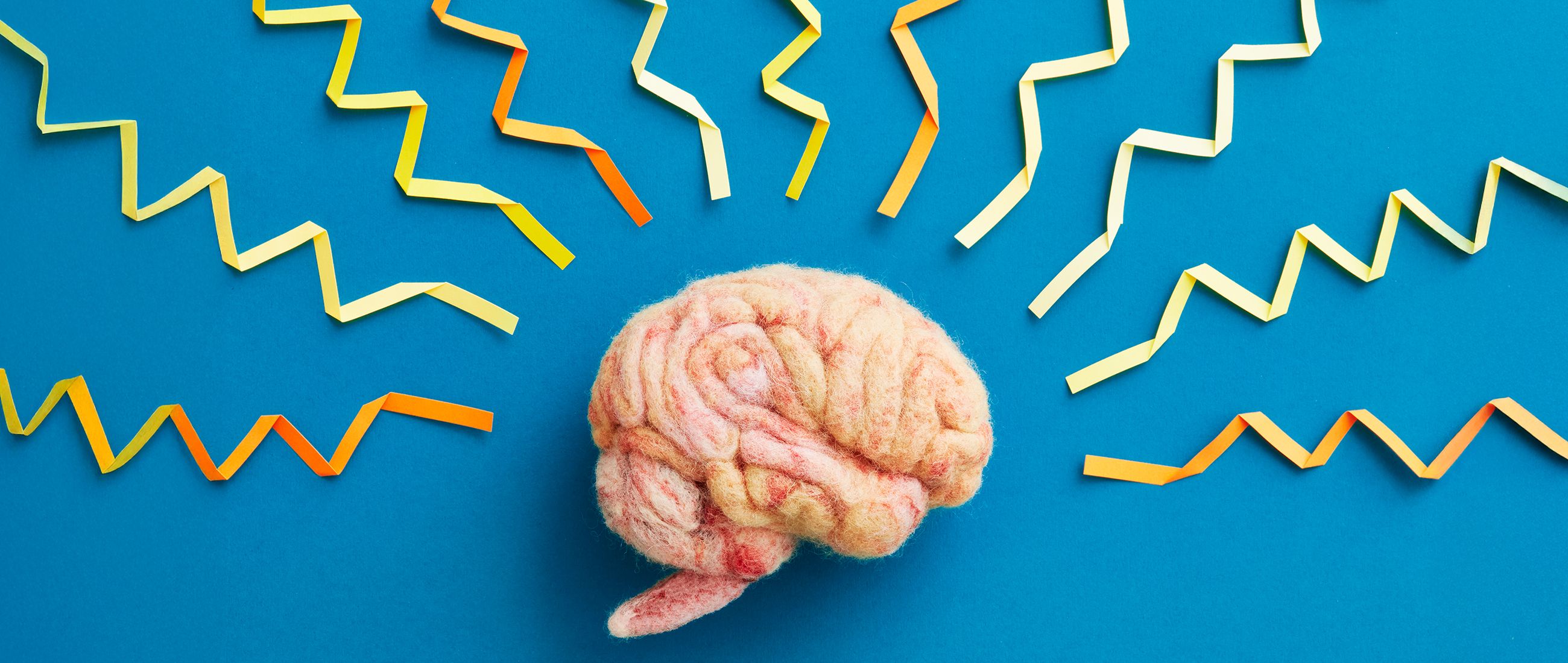
Author, hypnotherapist and NLP master coach, Dani Diosi, explains how mind-coding techniques can support your menopause journey.
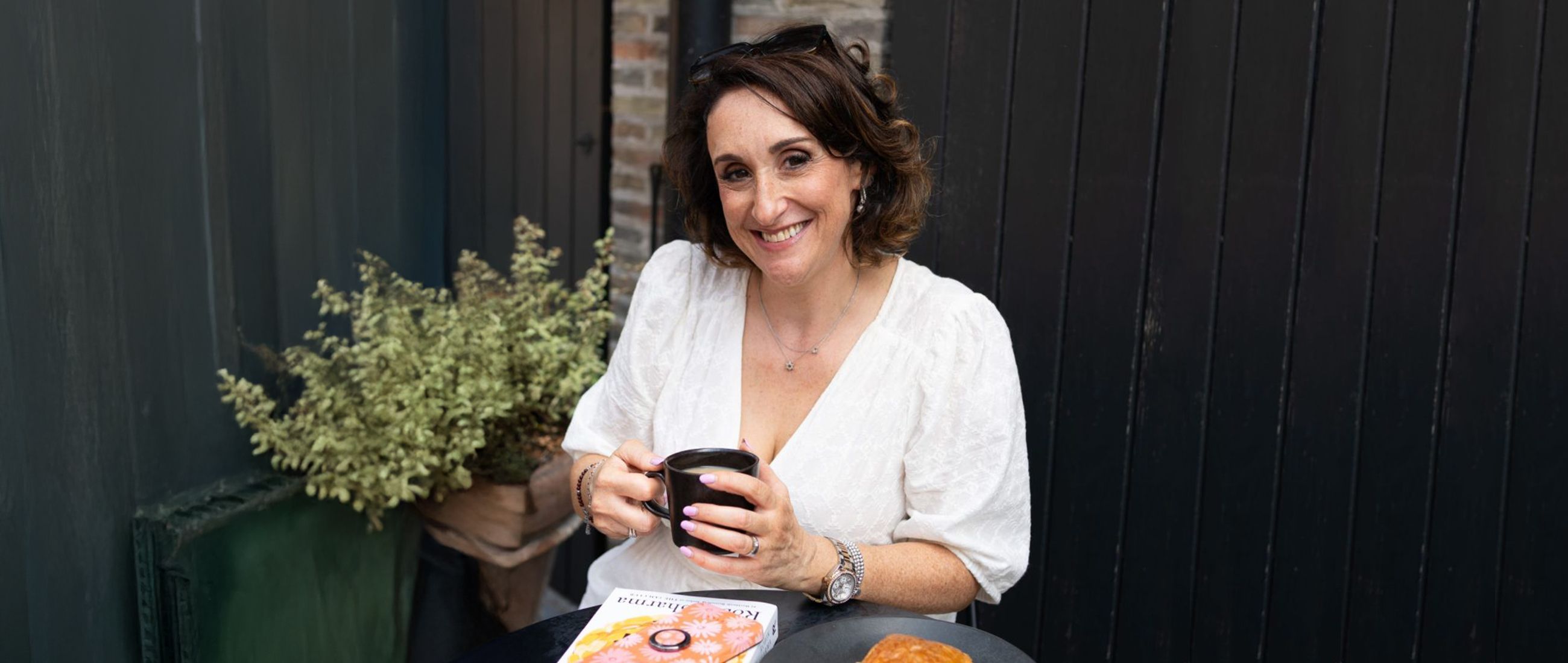
Journalist and menopause coach Elizabeth Joseph explores how female relationships can grow and adapt as you go on your menopause journey
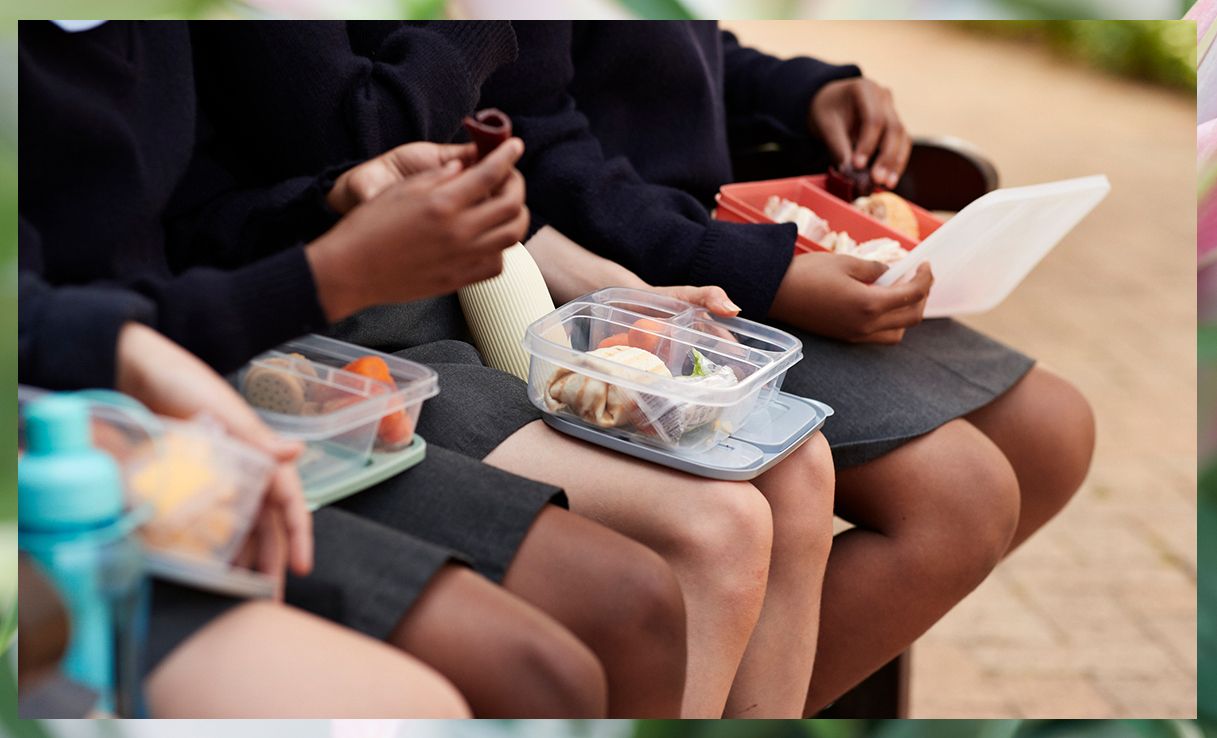
First day at a new school, desperate to be accepted by the other girls. Hoping the scary move, and my posh accent, wouldn’t make life more difficult.
"Can I sit here?"
Backs turned.
"These seats are saved."
I cried in the loo.
Fast forward thirty years, first day at a mum and baby group.
"Okay if I sit here?"
Backs turned.
"We’re saving these seats."
Wanted to cry in the loo, but didn’t know where it was. A table of grandmas beckoned me over.
I have always struggled in the company of women. At school, then at the school gates, I felt there were unspoken rules regarding hierarchy, honesty, comparison and competitiveness. I didn’t fit in.
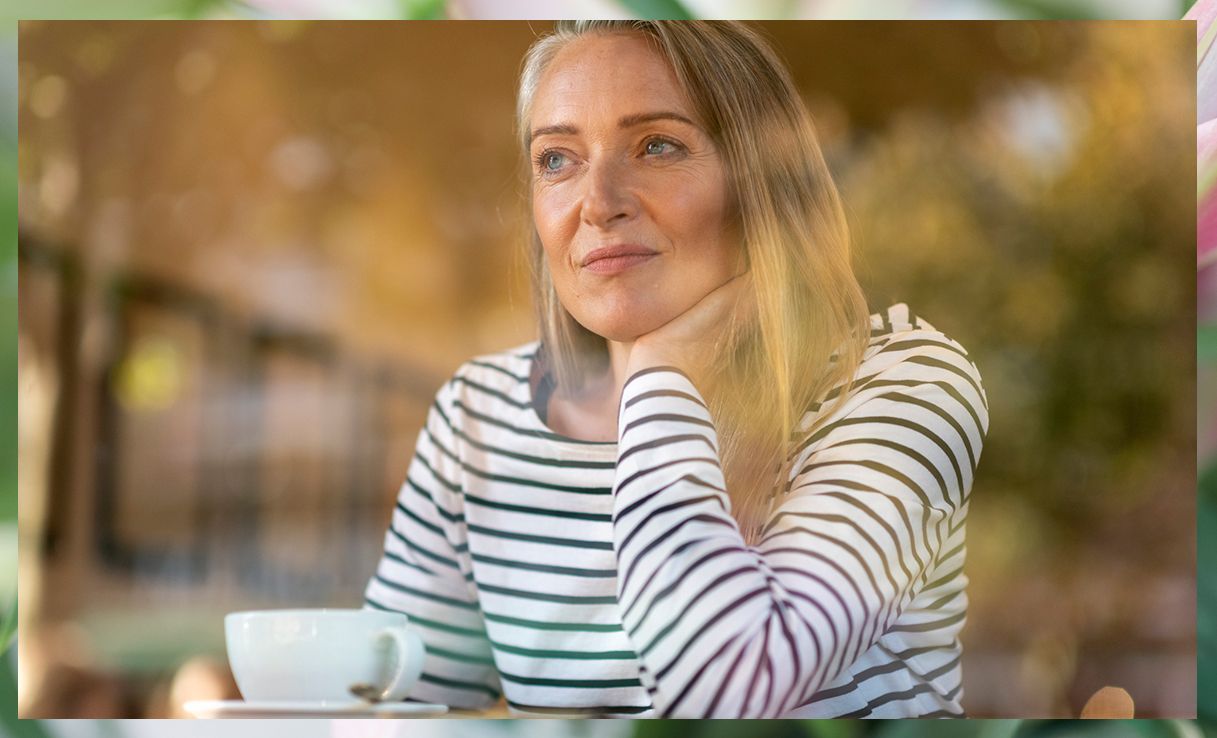
You may find yourself nodding away. Numerous women have told me they've experienced similar. Or you may be shaking your head vehemently. For many, female friendships are profound, powerful connections that last a lifetime. For some, those ties that bind have started to fray and in some instances break.
Menopause is a time when many of us are forced to pause. This is often due to the many and varied menopause symptoms. It can also come care of a challenging change in circumstances: divorce, moving house, issues at work, loss or debilitating ill health. It changes us.
We have spent the majority of our lives putting others first, but as oestrogen (the caring and nurturing hormone) starts to wax and wane, and we wonder how we’d like to spend our ‘second act’, we find ourselves reassessing our lives and starting to put our needs and wants first.

For some, like myself, this can mean we start to embrace female friendship for the first time. Midlife women seem a different breed to me - honest and open about their struggles, well past comparing and competing and with nothing to prove. Could that be waning oestrogen again? No wonder I was saved by the grandmas at the mother and baby class!
For others, their profound and powerful friendships are what get them through the tough times. To have someone who is there for you through the upheaval of divorce or the pain of losing a loved one is a gift beyond measure. As is the ability to be that much-needed friend for someone else.
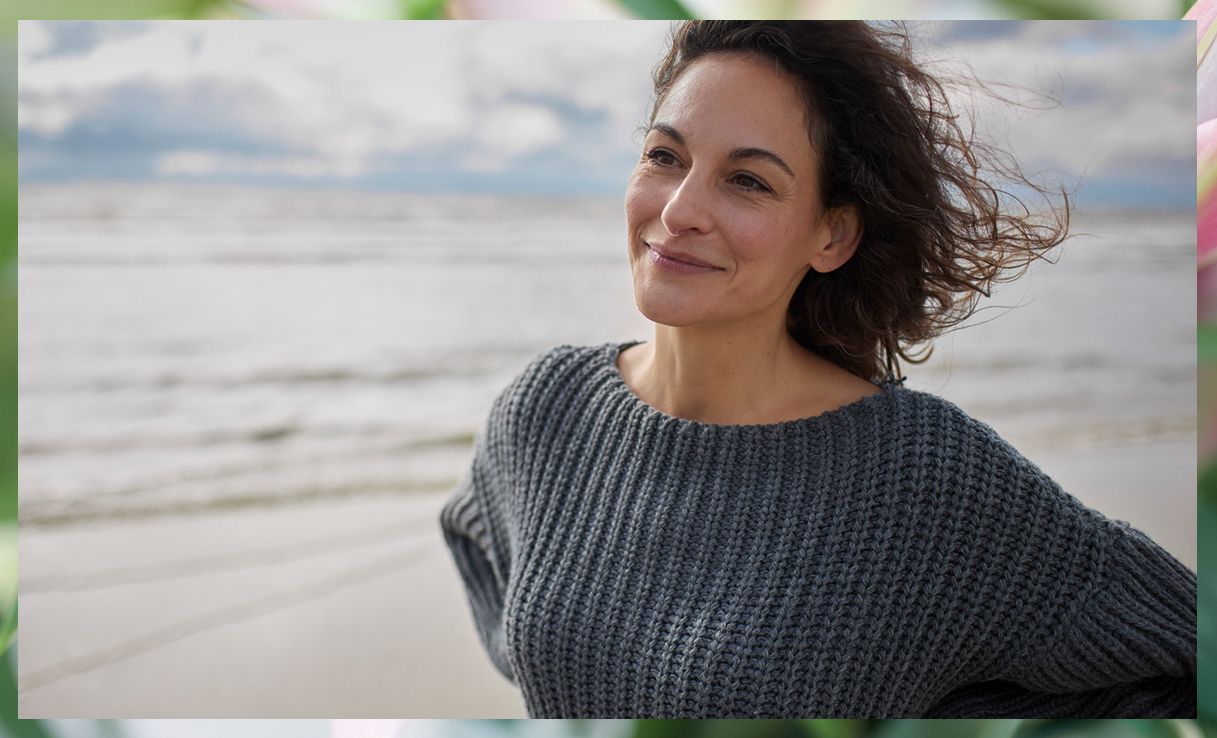
Yet, there will be some who find that their friends do not support the person they are choosing to become. It is brave to step out of your comfort zone and walk a different path. Maybe you are the one who has walked away from a marriage or a job that has held you back.
Unfortunately, not everyone will have your back. Some may well stand in your way. Friendships may not survive. You may have to walk away from them too.
Remember: people come into your life for a reason, a season, or a lifetime. Hold on to the friends you want in your life, be open to meeting new ones and don’t be put off by those who may turn their backs.
Garden expert, Emma Real-Davies, has five tips to get you into mindful gardening

There’s a reason gardeners are often voted as the happiest workers in the UK – not only are we outdoors every day, we’re also being physical, working among nature, and we’re not undertaking huge amounts of stress in the workplace. Gardening has in fact, long been associated with our mental and physical wellbeing.
Many plants have been used for hundreds of years medicinally and still are. Chamomile is thought to help reduce anxiety and inflammation, rosemary is reported to improve memory and boost your immune system, and research shows that evening primrose can be effective in treating acute menopausal problems.
But you don’t have to drink chamomile tea to get the benefits of nature and gardening. A number of universities alongside the Royal Horticulture Society have done studies on how gardening can help keep you fit and healthy, reduce anxiety and depression and prevent cognitive decline. The NHS has even made gardening part of its long-term plan, called ‘Green Social Prescribing’.
With all the evidence that gardening is beneficial to us, we should all be doing it! Whether you have a large garden, courtyard, balcony, allotment, community garden, or just a houseplant, here are some ways you can give it a go and see the positive impact gardening can have.

Rosie Wilby, comedian and author, on experiencing menopause with her wife
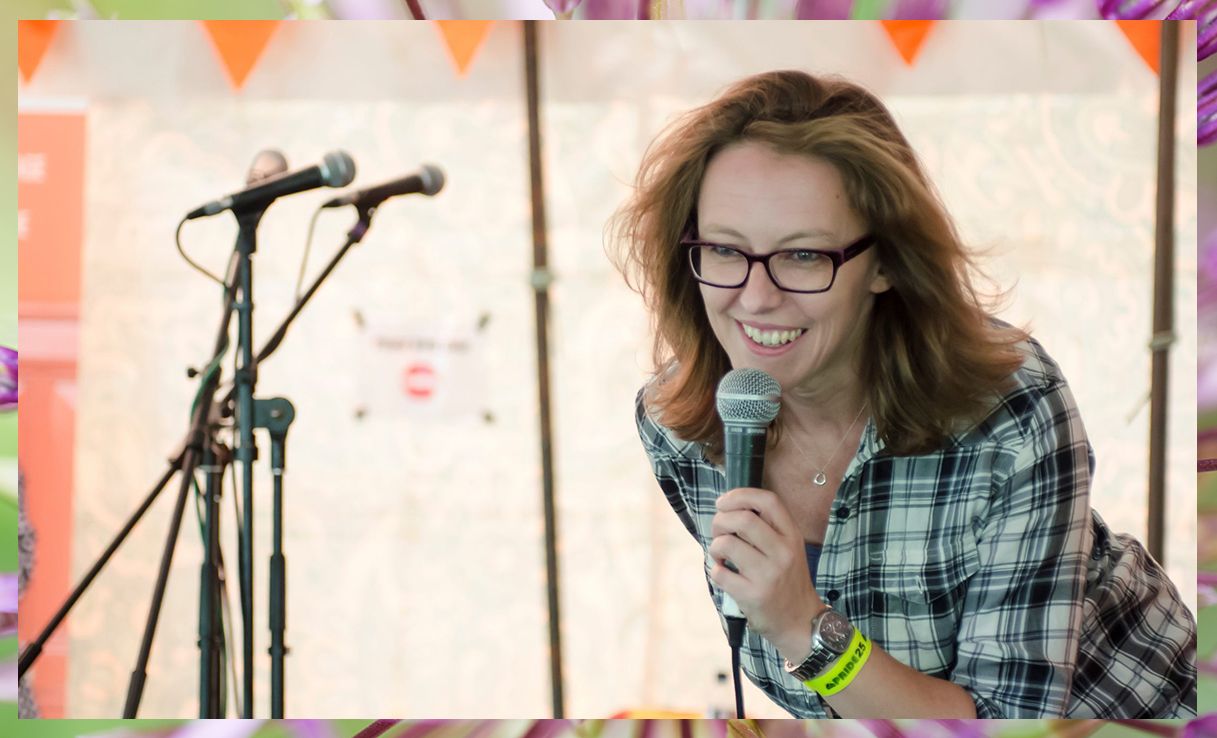
Can it be helpful to have an understanding partner who is experiencing some of the same symptoms or is it double trouble? While many of my friends find it a positive to have a support network in their home, others report a rollercoaster of raging arguments.
Whether you have a good day is often governed by where you’re both at in your cycles. For myself and my wife, we would nervously mark one another’s increasingly erratic periods in our diaries, counting down the days until we might next need to tiptoe around one another.

At 48 and 52, we are both perimenopausal. We have always had a very honest relationship. But now it feels a little too honest. All these feelings we have about becoming less visible, less attractive, less relevant as women in the world often get taken out on each other.
As my straight friend Miranda Sawyer once said, when she guested on my podcast The Breakup Monologues, ‘perimenopause and menopause can mess with your head and make you want to smash your relationship up into bits.
One of the things that can happen is you get a strong rush of sexual hormones and might fancy someone completely inappropriate. But mostly what you want to do is break up with your old self.’
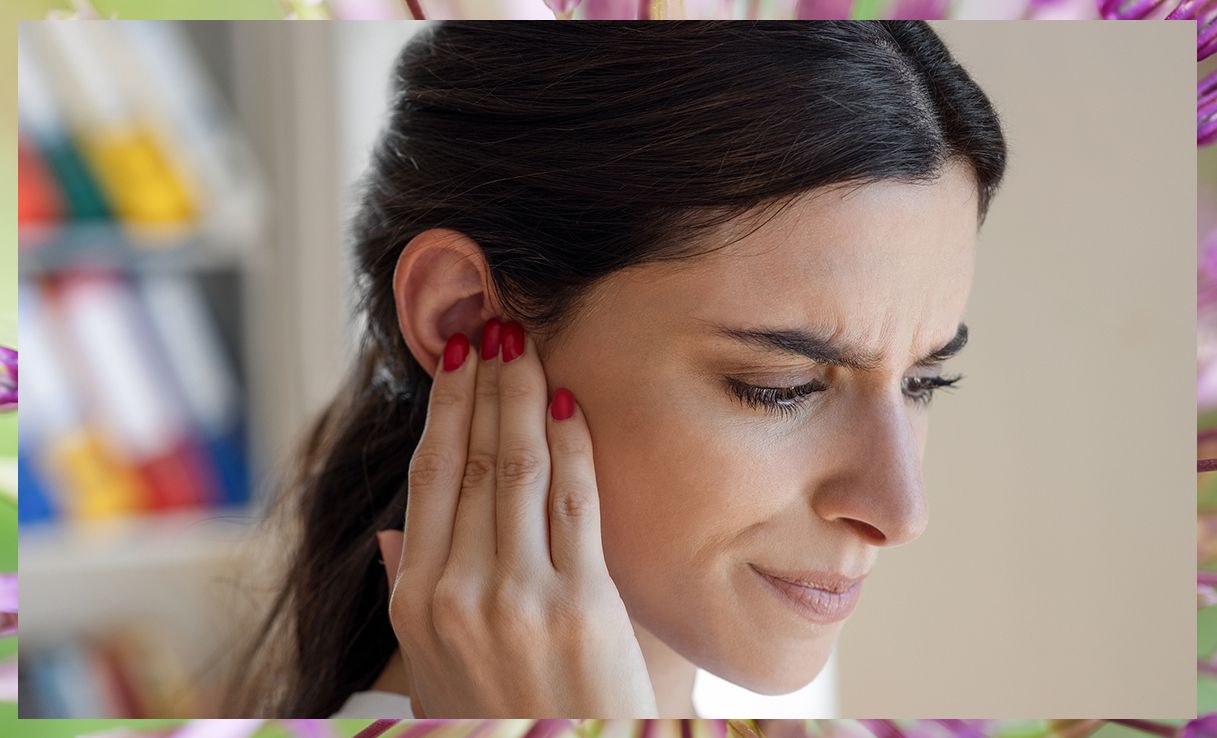
The expectation in a partnership between two women is that you will experience the same symptoms and can compare notes. So it’s been bewildering for me to be most debilitated by a menopause symptom that neither of us had heard much about.
I was driving my wife’s car one afternoon when it suddenly felt like someone was blasting a foghorn inside my left ear. “What’s that noise?” I asked in a panic, not realising that I had slowed to about ten miles per hour. A car whizzed past. “This is dangerous. Pull over!”
We stopped the car in a side road and my wife drove us home in silence. Or not silence as it turned out. Even once the foghorn noise faded, I was left with a buzzing sound in my ears. I was experiencing tinnitus.

Other friends have described having ‘no libido whatsoever’, a feeling of having ‘no femininity left’, itchy skin and welts. Some have also found that perimenopause has highlighted other pre-existing conditions that they’d previously been unaware of, such as ADHD and depression.
Lesbian and queer women largely seem to enjoy forming their own support networks via social media to bypass the mainstream heteronormative advice, which uses language that assumes that you have a ‘husband’ and children.
My friend Jo even felt that she had to fabricate a heterosexual backstory when she wanted to request to have a coil fitted. She says, ‘in my area, no sexual health clinic or surgery will fit one to help perimenopausal women. However, they will fit one for contraceptive purposes.’
On a more positive note, another friend collated responses to the word menopause from a diverse group of women. And the comments about challenging physiological and psychological symptoms seemed far outweighed by a more spiritual sense of ‘freedom’, ‘relief’, ‘power’, ‘transformation’, ‘regeneration’, ‘reawakening’, ‘new chapter’ and my favourite, ‘autumn queen’.
This new life phase, while tricky to navigate, is full of opportunity for growth and healing. Once my wife and I get through it, I have no doubt that we will be stronger than ever.
Henny Flynn shares her tips on journaling and explains what a positive impact it can have
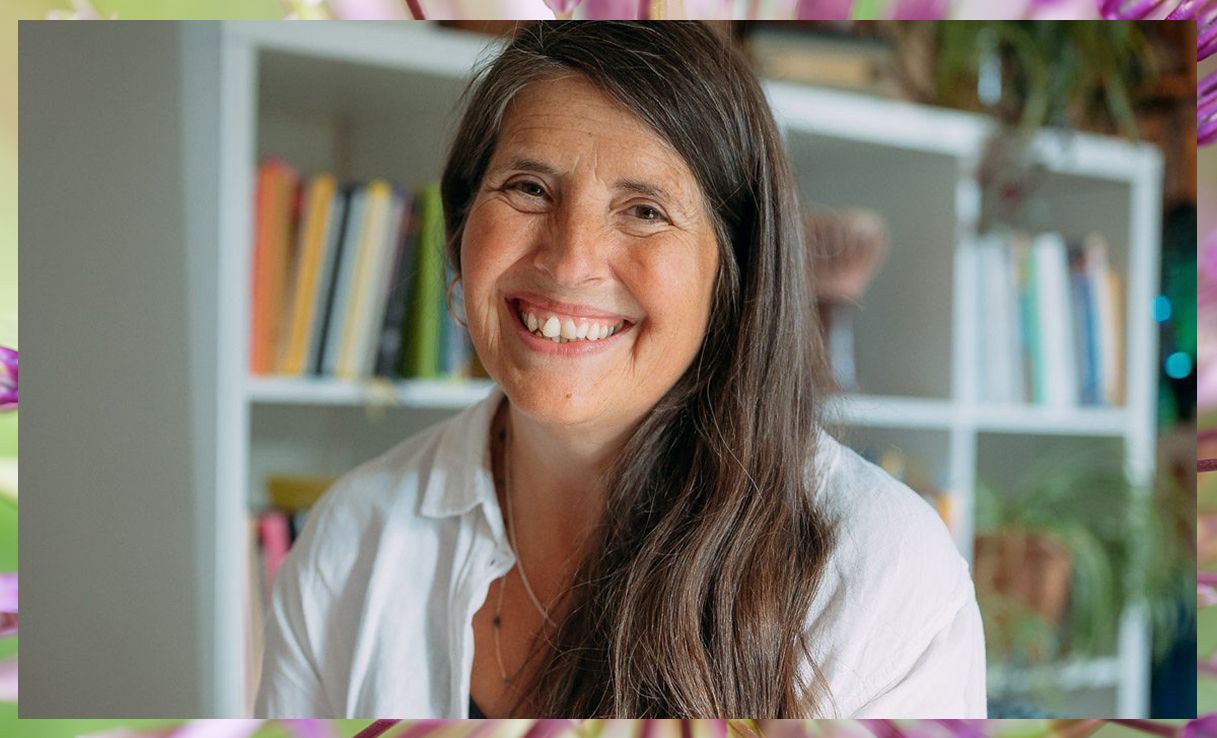
Menopause is a time of profound change, both physically and emotionally, which can feel overwhelming or even isolating. Journaling offers a way to untangle the web of thoughts, emotions, and experiences that arise during this time. It creates space to explore what’s happening, tap into your inner wisdom, and navigate challenges with greater clarity and self-compassion.
In my own life, journaling has been a powerful tool for release and discovery. It allows us to reflect on patterns, honour what no longer serves us, and embrace new ways of thinking. Research also shows that expressive writing can reduce anxiety, improve sleep, and even support physical healing - an important reminder of the mind-body connection during menopause.

Starting a journaling practice doesn’t have to be complicated. The most important step is to approach it with curiosity and kindness. Begin by creating a quiet, comfortable space and gathering a journal or notebook and a pen. To ease into writing, I recommend using compassion-based prompts, like the very first one in my book: “As I pick up my pen to write, I am noticing…”
There are no rules in journaling. Write whatever comes to mind without judgment or expectation. If you’re worried about “getting it right,” remind yourself that journaling is a practice - it’s about experimenting and exploring, not achieving perfection.

You can write about anything! Journaling during menopause can include:
In this approach, that I've come to call Flow Journaling, we use compassion-based prompts to open new ways of thinking and uncover insights. For example, if you notice critical or judgmental thoughts while journaling, you can write: “How can I bring more compassion here?” Let your writing be a safe, expansive space where anything is welcome.
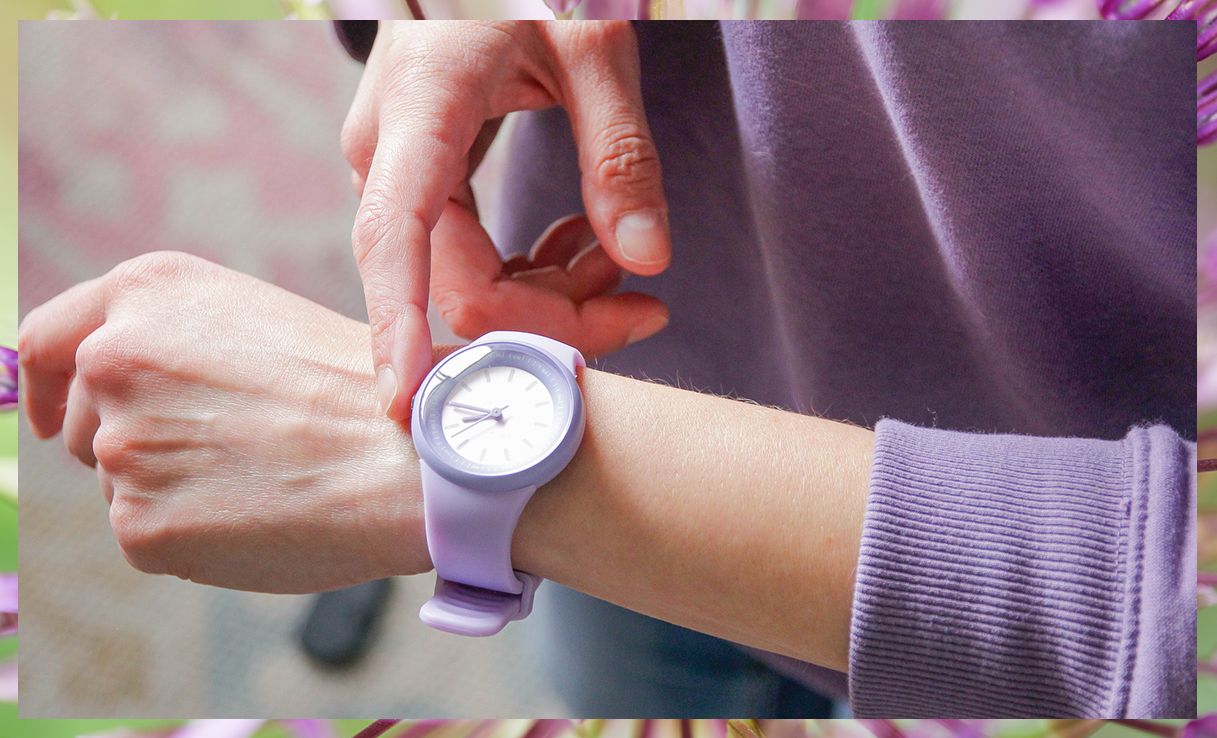
There’s no set time for journaling - it’s about what feels right for you. When starting out, even five minutes can be enough to feel a shift. If you have more time, setting a timer or playing a piece of music for 10–15 minutes can create a container for your writing.
Personally, I write until I’ve filled a set number of pages, but the key is consistency rather than duration. Journaling regularly - even briefly - has been shown to have long-term benefits for mental and emotional wellbeing.
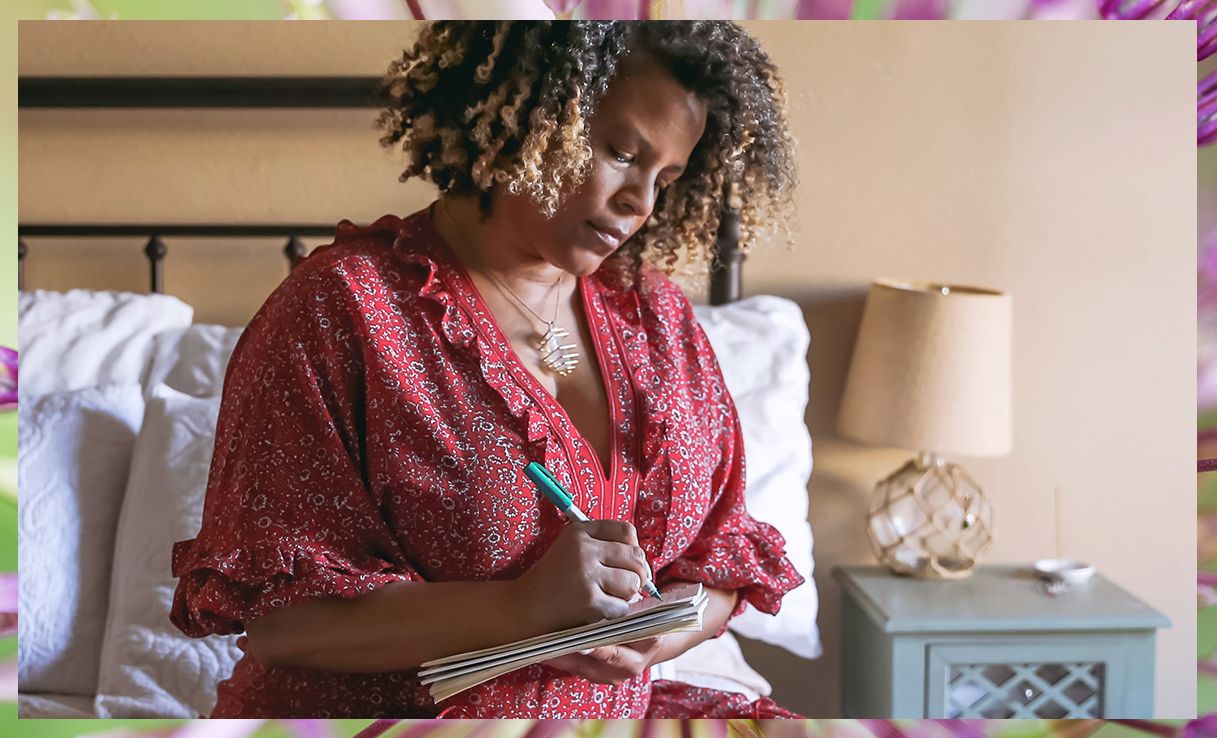
Building a journaling habit is about creating a rhythm that fits your life. Here are a few tips:
The practice of journaling is an act of self-compassion, especially during a time as transformative as menopause. Be kind to yourself as you experiment and discover what works best for you.
Here's Jo Fuller with your guide to clarity in menopause
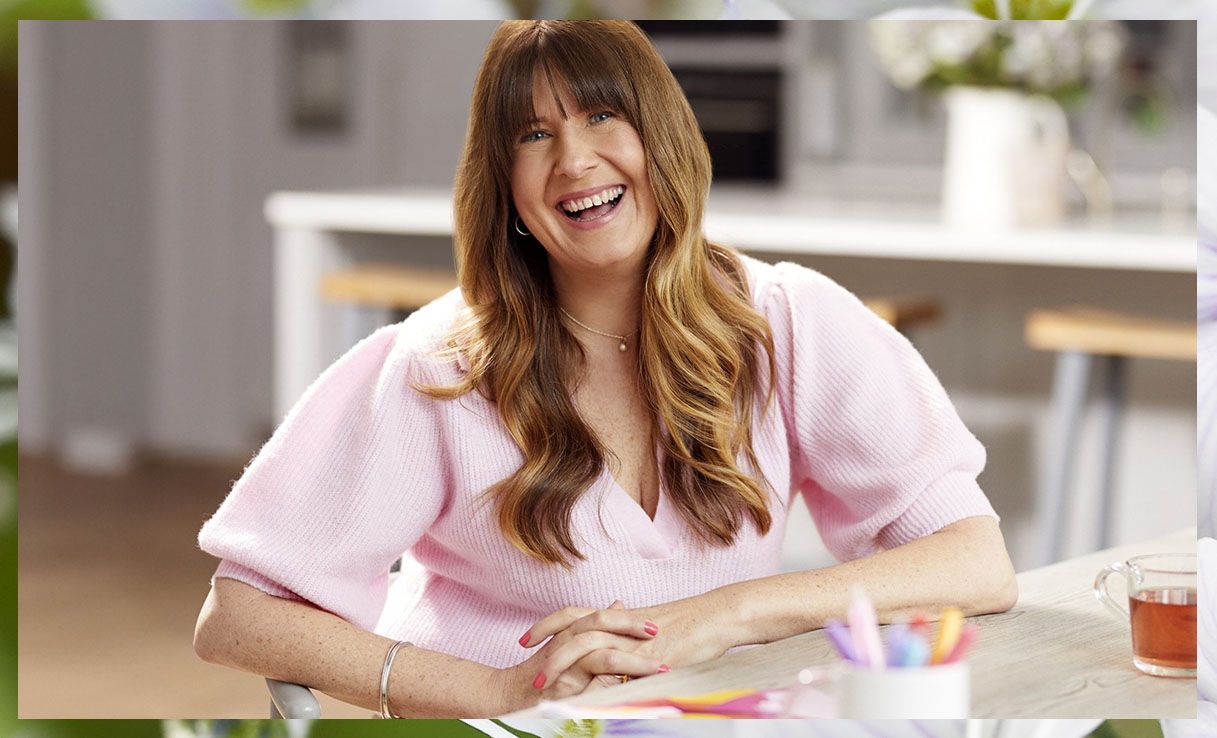
Menopause marks a period of profound change - physically, emotionally, and mentally. While it can feel overwhelming, it also offers a unique opportunity for self-reflection and growth. With so much happening during this time, the idea of setting goals might feel like just another task on an already overflowing to-do list. But goal setting during menopause can help cut through the chaos, giving you clarity and focus when you need it most.
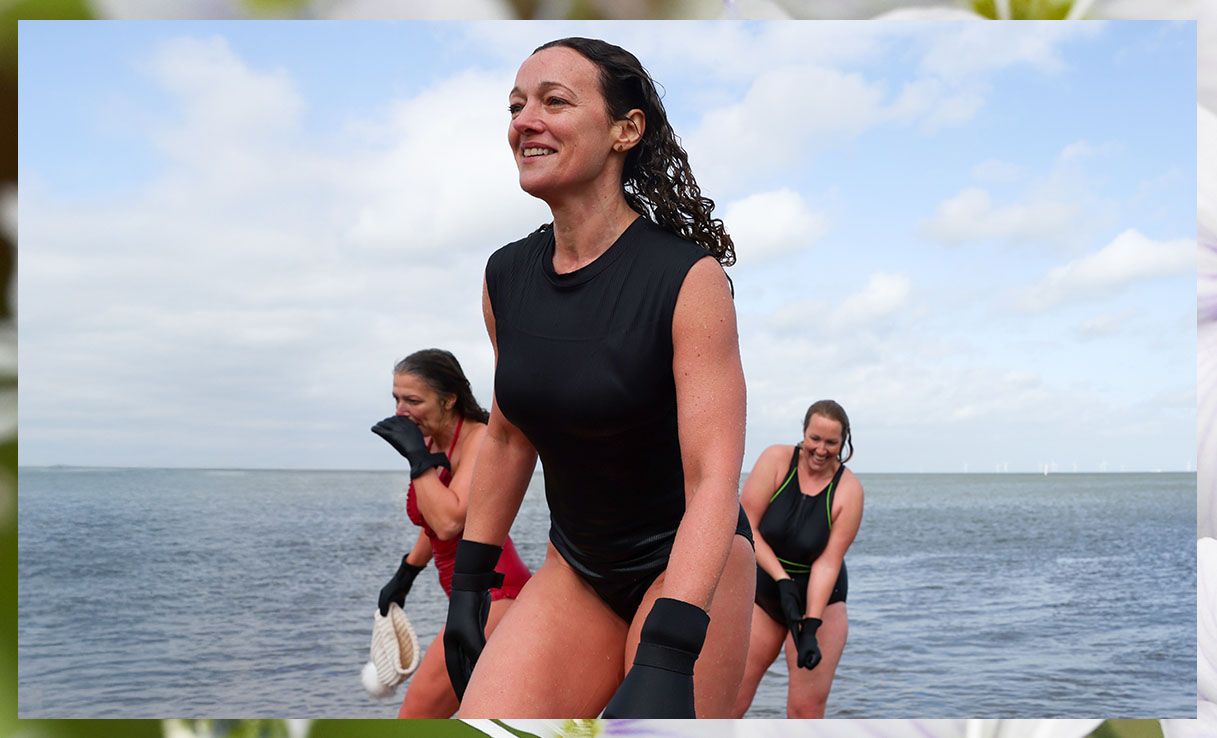
Menopause is a transformative life stage that invites you to reflect not just on where you are now, but on the future you want to create. It’s the perfect time for a midlife reset - to reassess who you are, who you want to become, and how you want to age.
Consider the life you want to live in your 60s, 70s, and 80s. The choices you make now, whether it’s taking better care of your health, strengthening relationships, or finding balance at work, will shape that future self. Will you look back and feel proud of the changes you made today? Goal setting provides a framework to make intentional decisions, helping you move forward with a sense of purpose and direction.
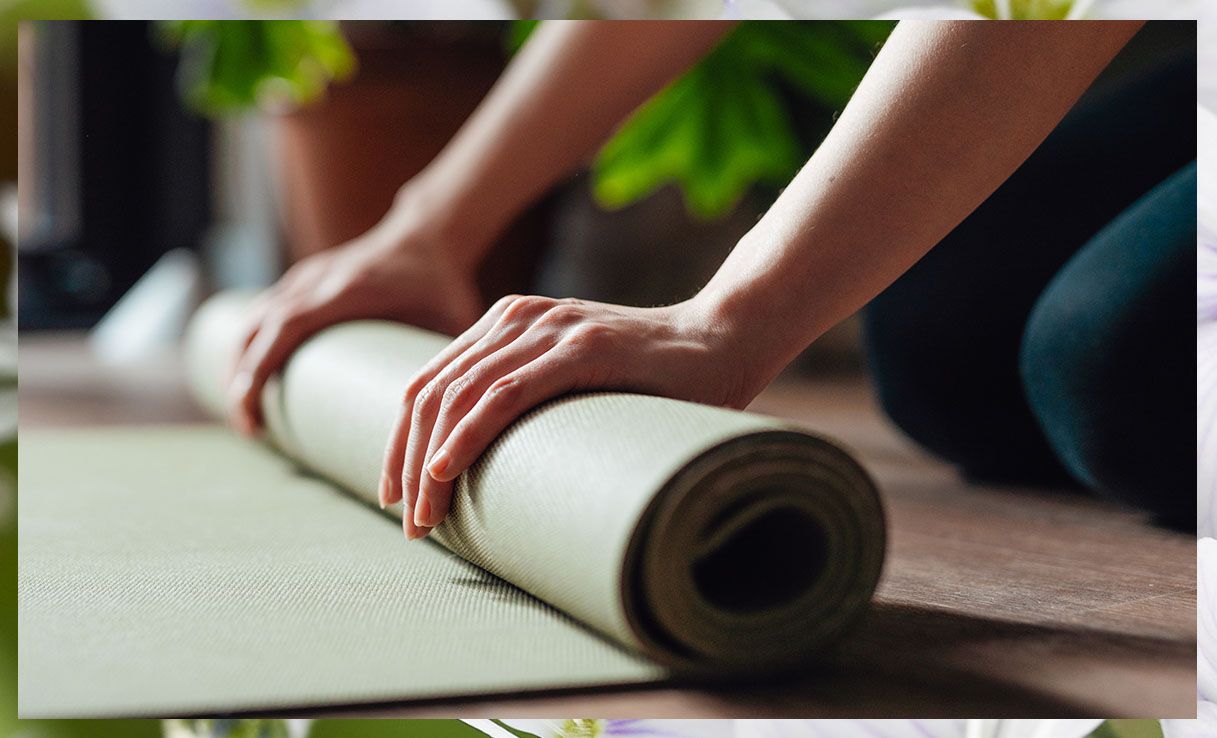
To support your body and mind during this transition, intentional change is vital. This could mean tweaking your diet, setting an exercise routine, or managing stress more effectively. Self-care, so often overlooked, becomes a priority.
Your relationships may also be evolving as you change. Perhaps you need to have honest conversations to reset boundaries, rekindle a connection, or even end a relationship that has run its course. Your career might also come under scrutiny - are you considering a job or career change, or do you need to put clearer boundaries in place to achieve more balance?
Goals help you approach these changes, giving you the power to take control rather than feel swept along.
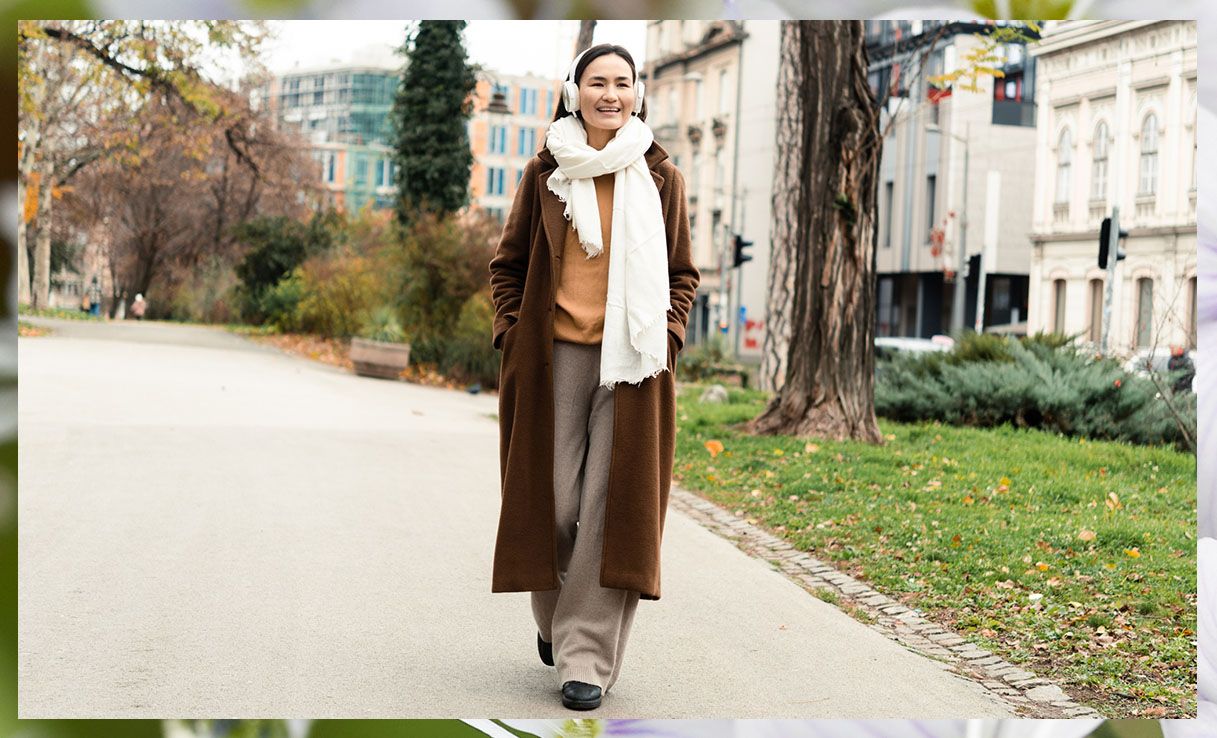
When life feels overwhelming, setting even one small goal can help you regain focus. By breaking down big changes into smaller, achievable steps, you can avoid feeling stuck or unsure where to start. For example:
Each small step builds momentum and clears mental clutter, reminding you that you’re in charge of your life.
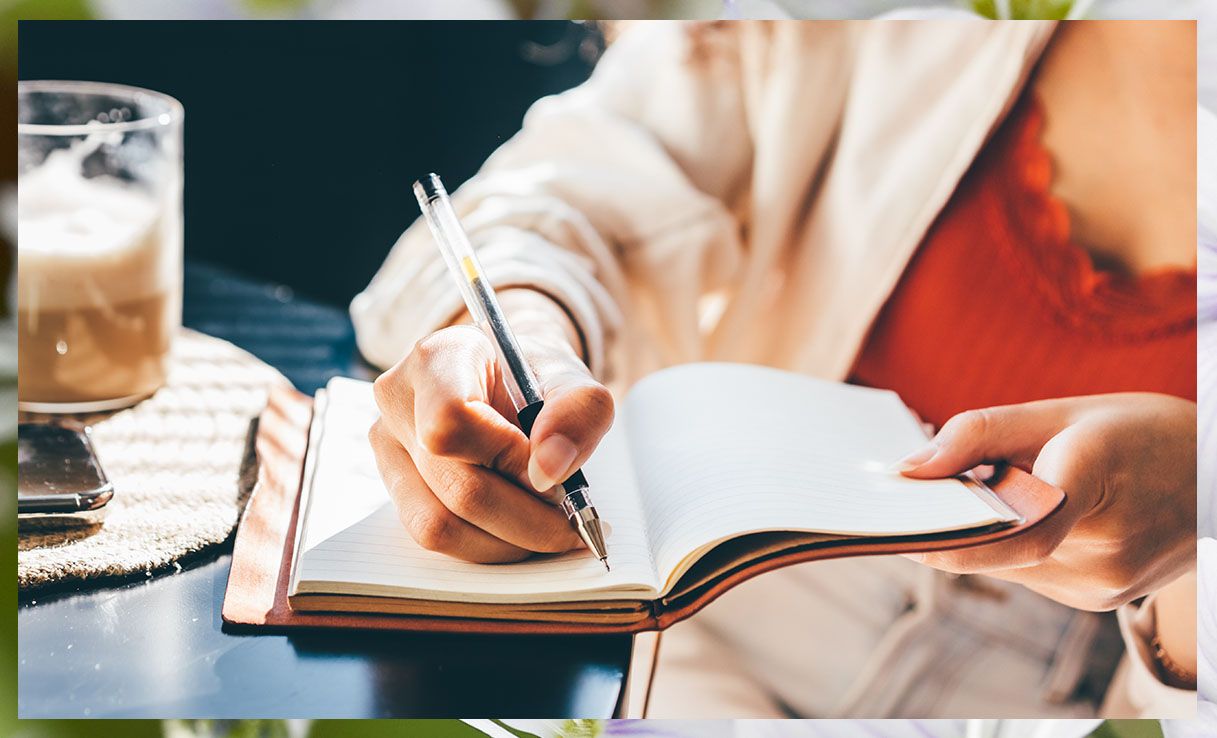
Goal setting isn’t about perfection or doing more; it’s about focusing your energy on what matters. This process turns a time of transition into an opportunity for transformation.
The changes you make now are an investment in your future self. Picture the person you want to be in 10, 20, or 30 years. Every step you take today is helping them thrive - mentally, physically, and emotionally. Menopause isn’t an ending; it’s the start of a new chapter, and goal setting is your roadmap to creating the life you deserve.
Sam Priestley on reaching out to those who haven’t experienced menopause symptoms
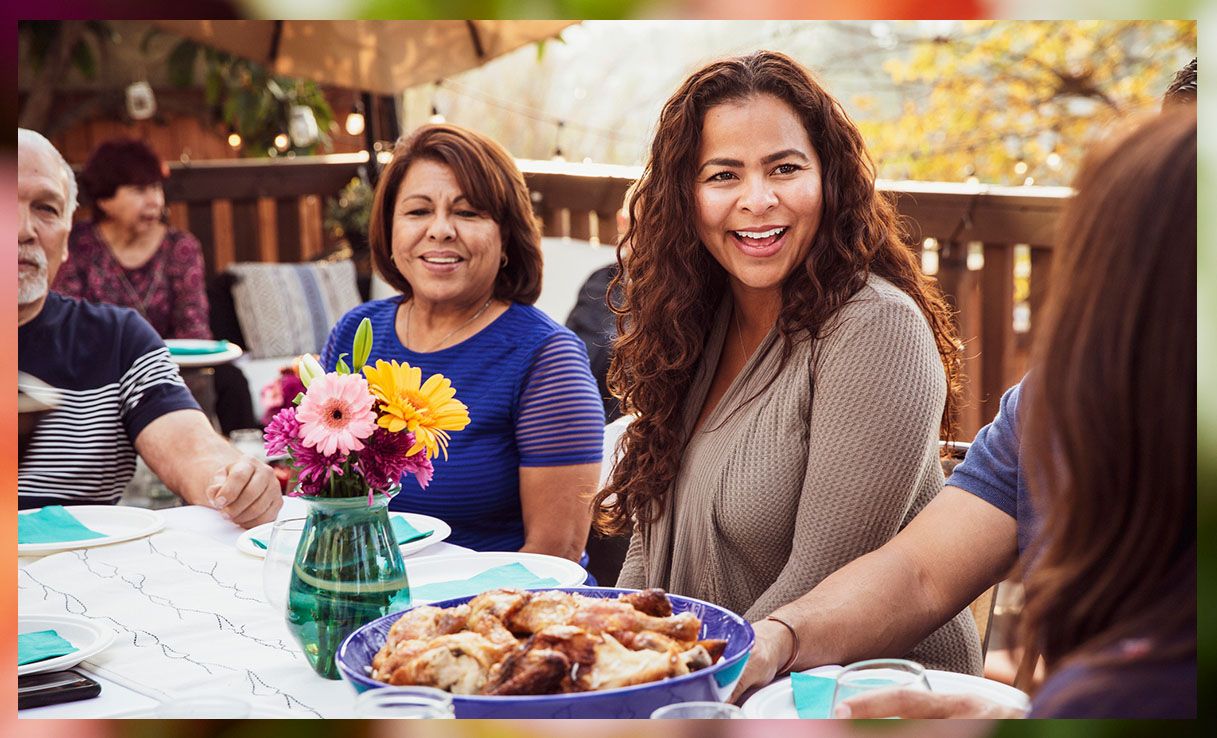
I’m surrounded by younger people in my family, my partner is 10 years younger than me, my sisters are 11 and 12 years younger than me, my two daughters are aged 22 and 25. I’ve never felt ‘old’ amongst them before… until I started experiencing menopause symptoms.
I didn’t talk to anyone in my family about it at first. We were so far apart in age, in totally different stages of our lives and I assumed, being so young, they wouldn’t understand. But as the years have gone on and my symptoms have intensified, I’ve started talking about it a lot.
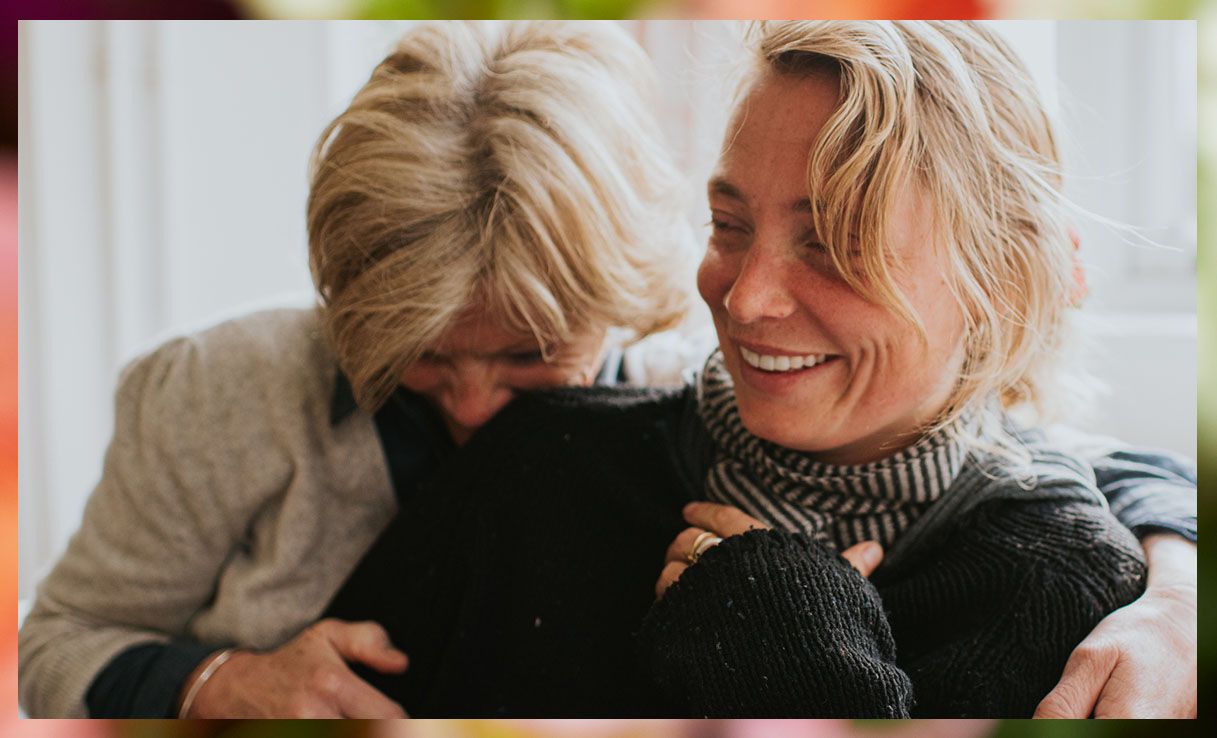
I was at an art class with my sister when a wave of exhaustion rushed over me, and I began to tell her how tired I was all the time. She was surprised at first, to hear me talk about my vulnerabilities. I’ve always been ‘the big sister’, but the more I talked about how I felt, the more all that melted away and she could empathise.
I explained how my joints ached when we took a walk together and told my daughters about the strange feeling of not quite knowing who I was anymore, which they likened to feelings they had when PMS struck them badly. It’s partly looking for support from the people closest to me and partly giving the women in my life a heads up.
They too will face menopause one day and although they might not have gone through it yet, they know how it feels to have PMS and hormonal changes and pains. So, they can already understand to a certain degree.

The biggest surprise was my partner. He had no framework to begin with, so listening was the only way he could begin to fathom what was going on for me. He also joined a menopause meeting at his workplace to gain insights from other menopausal women.
His take-away was that pretty much everyone experiencing menopause at his workplace were exhausted and stressed and felt like no one is listening to them. It was an eye opener. In his position, there was only so much he could do to support those struggling with menopause at work, but he knew at home he could more.
He encouraged me to talk about how I feel and looked at ways we could do more together, implementing an exercise routine to help keep me, and him, healthy and strong. We now run and weight train together.
At the beginning of my menopause journey, I felt alone. I had no one around me who was going through this and I couldn’t imagine how my family could understand. But it turns out, the support of the non-menopausal people in my life is what’s getting me through.
Louise Slyth and Dr. Gina Nick on discussing symptoms and advocating for our own welfare
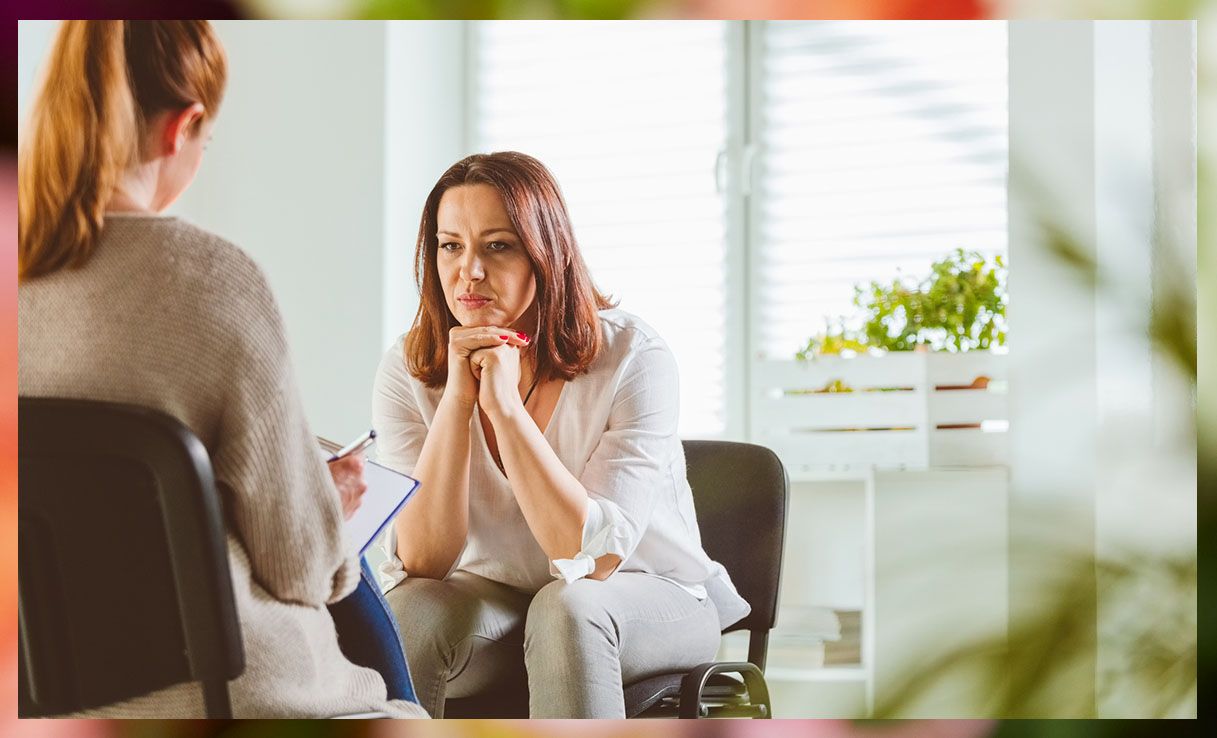
I distinctly recall an awkward sex education class in my early teens. We were told how our bodies would change, how babies were made, and the very basics of how not to make them! At no point was menopause even mentioned. Even in Higher Biology (A level equivalent) I learned more about fatty acids than the workings of my own body.
It’s therefore no surprise that many women have no concept of the myriad of ways menopause can present itself. This is why it’s so important to talk about possible perimenopause and menopause symptoms; whether that’s with your friends, or a trusted expert like a GP or menopause coach.
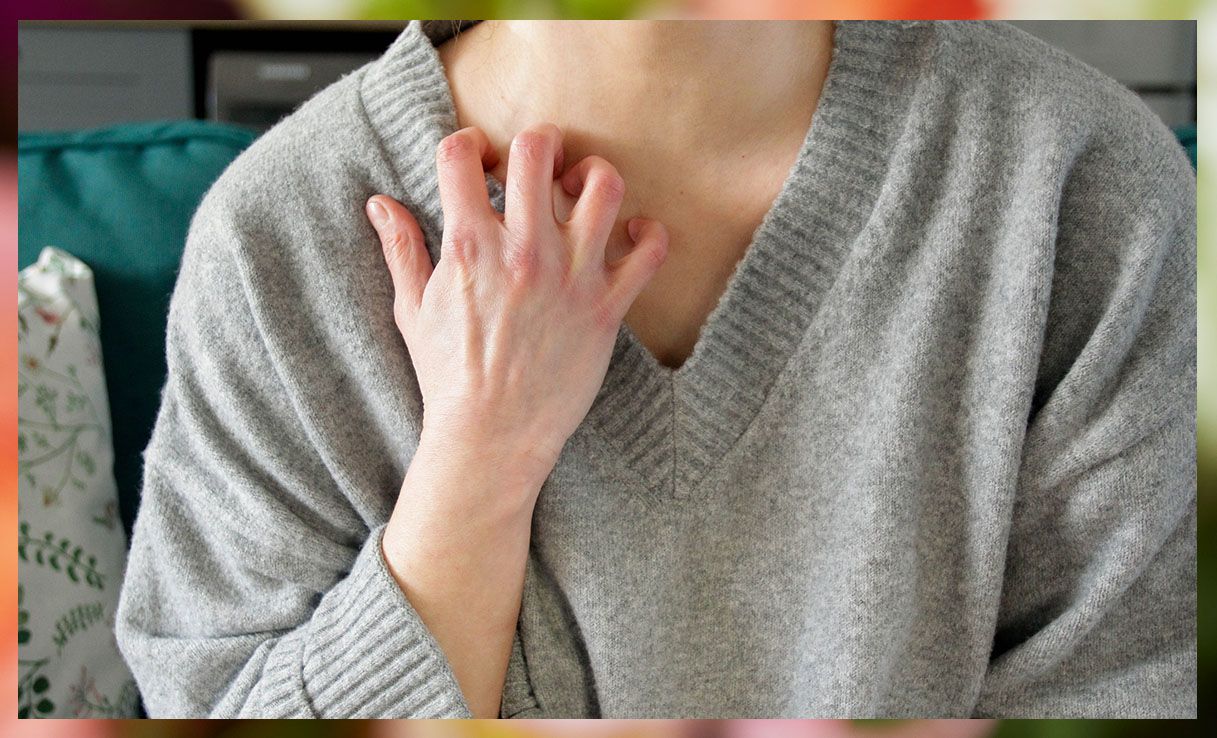
I’m perimenopausal but haven’t had any of the “typical” symptoms like night sweats, weight gain or memory problems. For me, perimenopause presented itself in more insidious ways; I suffered from increased anxiety, pains in my joints, dry eyes and irritable skin.
I had no idea that dry eyes were a menopause symptom, but luckily, I mentioned it to my optometrist. When she asked my age, she immediately informed me that it was likely to be due to the drop in my hormone levels. Who knew?
Dr Gina Nick tells us ”Many women may not experience the more commonly discussed symptoms like hot flushes, but instead face changes such as increased anxiety, skin issues, or other less obvious signs. These can easily be overlooked or misattributed if we’re not having open conversations about menopause.”
One of my friends had been struggling with frozen shoulder and was unaware that the condition mainly affects menopausal women. After three months on HRT, her problems disappeared. Another friend had terrible headaches and insomnia, which she attributed to the stress of her new job. Following her annual blood tests, her doctor told her she was entering menopause.

No two menopause journeys are the same. That’s why it’s important to share our symptoms and advocate for our own welfare. That might mean starting HRT or getting some support at work or at home. There’s a lot more information and assistance out there now than there was for our mothers, and no woman should suffer in silence.
Dr Nick asserts “Every woman’s menopause journey is unique, and there really is no one-size-fits-all experience. By talking about our symptoms, even the ones that don’t seem like the “main” ones, we not only validate our own experiences but also help to broaden the understanding of what menopause can look like for others. It’s through these conversations that we can support each other and navigate this transition with greater awareness and compassion.”
Dr. Gina Nick is a world-renowned Naturopathic Physician, Researcher, and Formulator based in Newport Beach, California. With a dedication to holistic wellness, she’s known for her expertise in treating a wide range of health concerns, from autoimmune diseases to addiction recovery, anxiety, and more.
Advice from Jo Fuller, founder of The Merry Menopause and an ACTP-accredited coach
Menopause is nothing new to the human experience and biologically, it won't change. But what has and will continue to change is the way we live our lives and the impact that has on how our bodies cope and adapt to hormonal changes.
One way that we can improve and manage our experience is to change the way we think, speak and talk about menopause, and for this we can use the fundamentals of positive psychology.
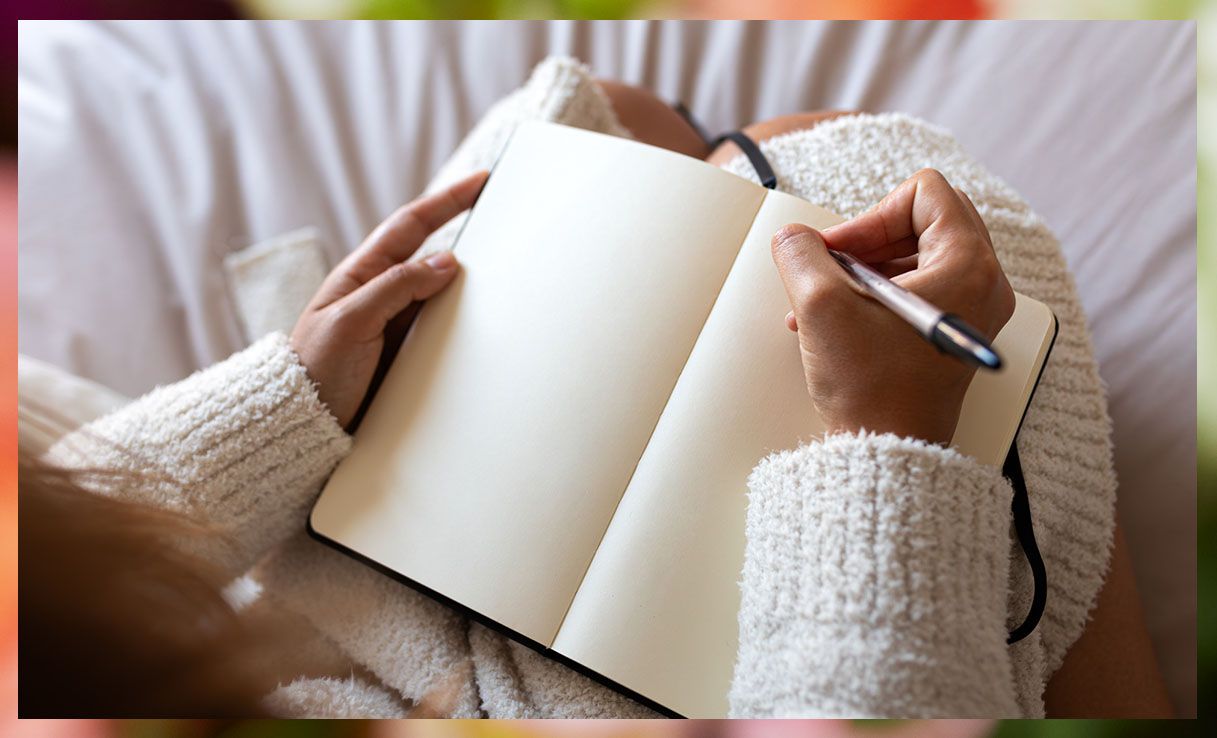
When I started to experience symptoms of perimenopause – anxiety, brain fog and a big drop in my mood – I felt like I had lost touch with my body and my emotions. I regularly used gratitude and mindfulness to reframe my experience.
This includes starting and finishing my day by expressing gratitude for three things that I am lucky to have in my life. At the end of each day, I write down three things that I am grateful for that happened that day, including being thankful for the hormones my body continued to produce in perimenopause. This practice helps me connect to my body and accept and work with the ongoing changes, albeit it an erratic process.
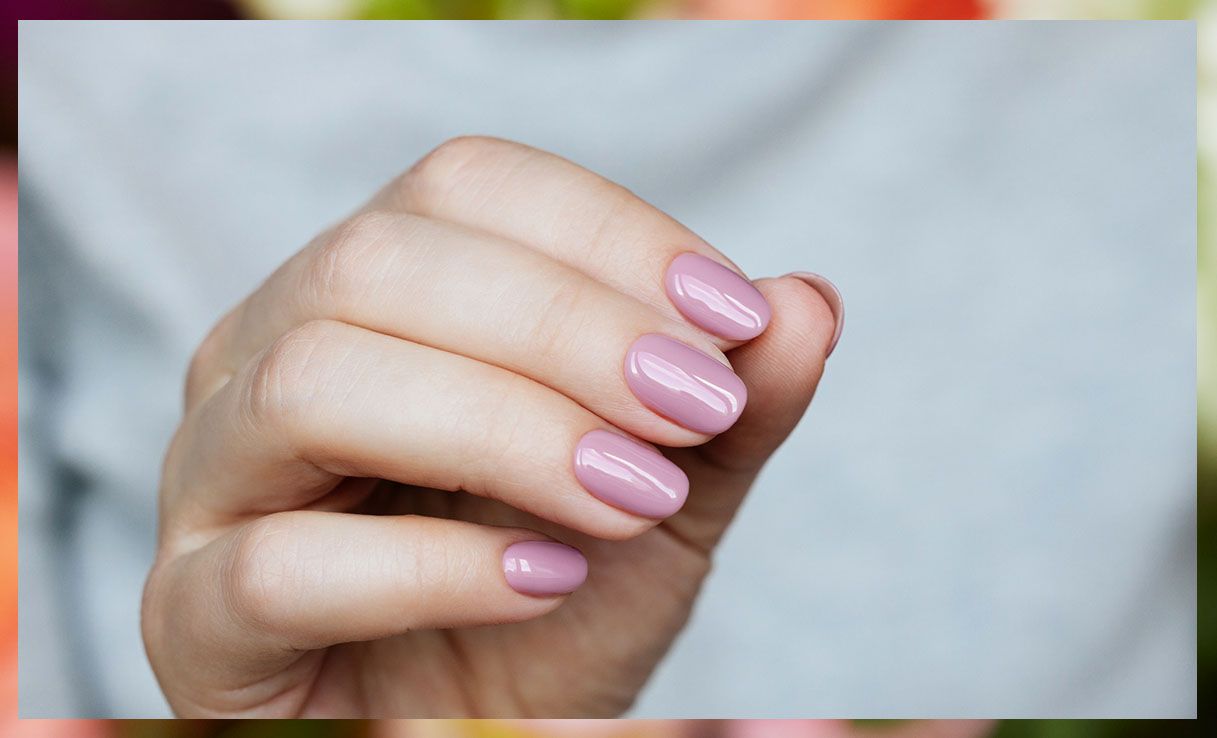
When I feel my mind wander into a negative spiral, I try rubbing my fingertips together to bring me back to the moment and concentrate on my breath. This helps me to ground myself in the present where I am able, with practice, to turn my thoughts to positive ones.
I reframed my menopause, as I knew that some of the symptoms I experienced were a wake-up call to make adjustments and improvements to my short and long-term health. I knew I had to listen to my body and make better lifestyle choices so I could support it through this change.
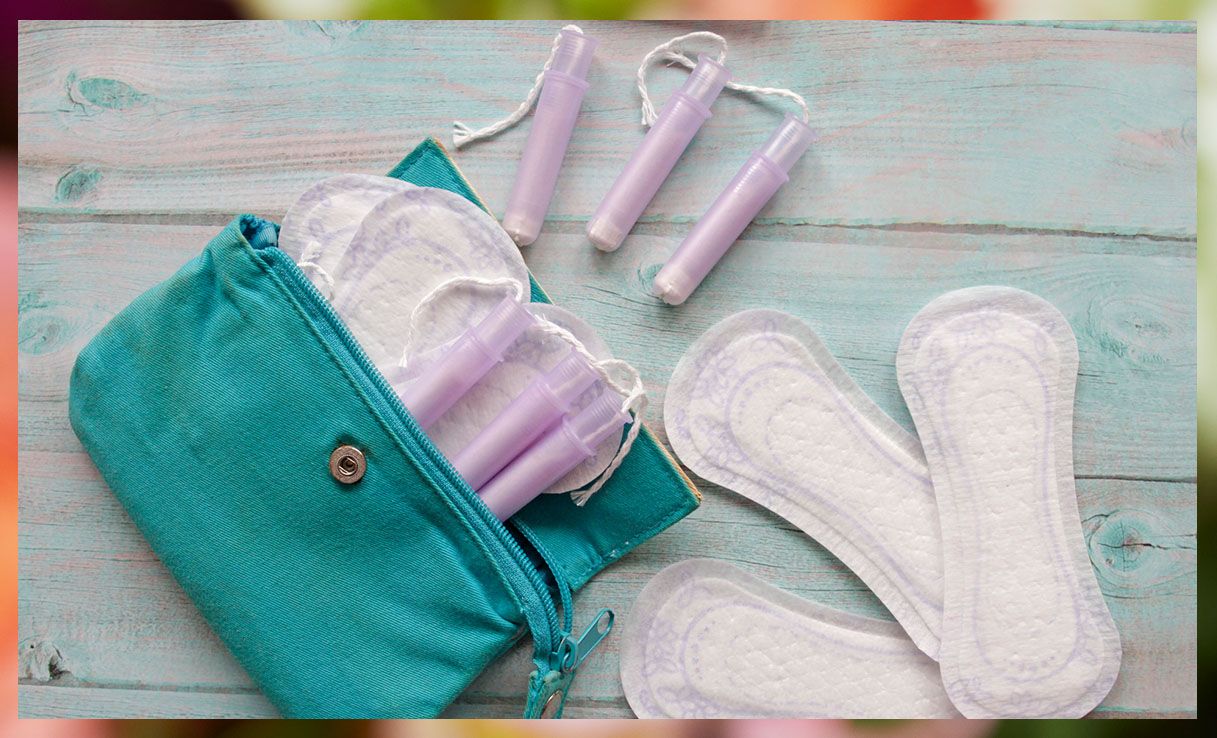
Another technique that helped was looking at my menstrual cycle, because we experience monthly highs and lows, with hormones having an impact on everything from our mood to our sleep and energy levels.
For many of us, the symptoms of perimenopause start in our late 30s to early 40s, way before our periods stop, and we have roughly 400 periods during our fertile years. These are an amazing resource that contain personal and valuable information on who we are and how we function.
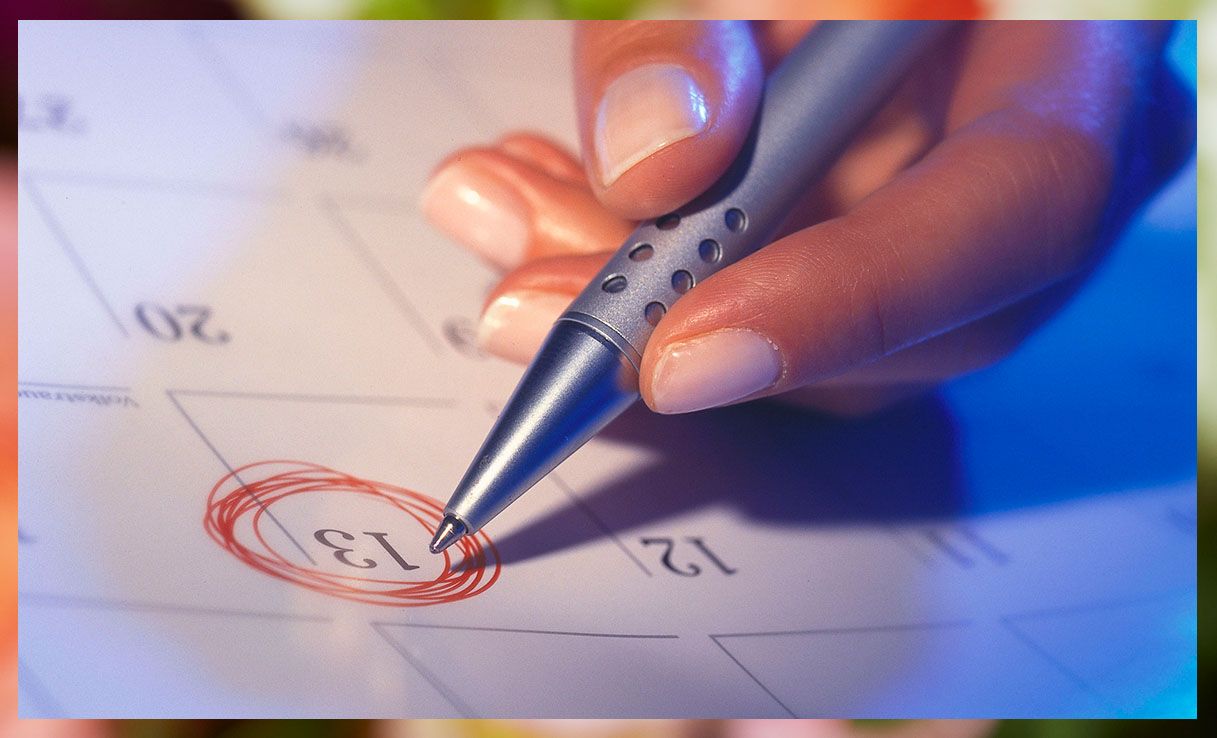
By tracking the highs and lows of our cycle we are able to predict our moods and behaviours and understand why we may be feeling sad and tired, happy and energised, and also learn when to rest, which is essential for managing stress.
Understanding and working with, not against, our cycle puts us in control of our health and wellbeing. When the symptoms of perimenopause begin we are better prepared and are already familiar with how our mind and body respond to our hormonal fluctuations.
Journalist and content writer, Julia Sidwell, talks to clinical psychologist and author Dr. Kirren Schnack on the pressures on those in the sandwich generation.
Known as the 'sandwich generation', adults in their 40s and 50s who are caring for their ageing parents, as well as raising or supporting their growing children, are dealing with a host of responsibilities in their day-to-day life that can have implications for their mental health. Research shows there are now 1.3 million people in the UK with this twin responsibility.
What's more, The Office for National Statistics (ONS) reported that almost 27% of sandwich carers show symptoms of mental ill-health while caring for both sick, disabled or older relatives and children. The number of middle-aged people ‘sandwiched’ between the responsibilities of caring for elderly parents and their own children, is also increasing.
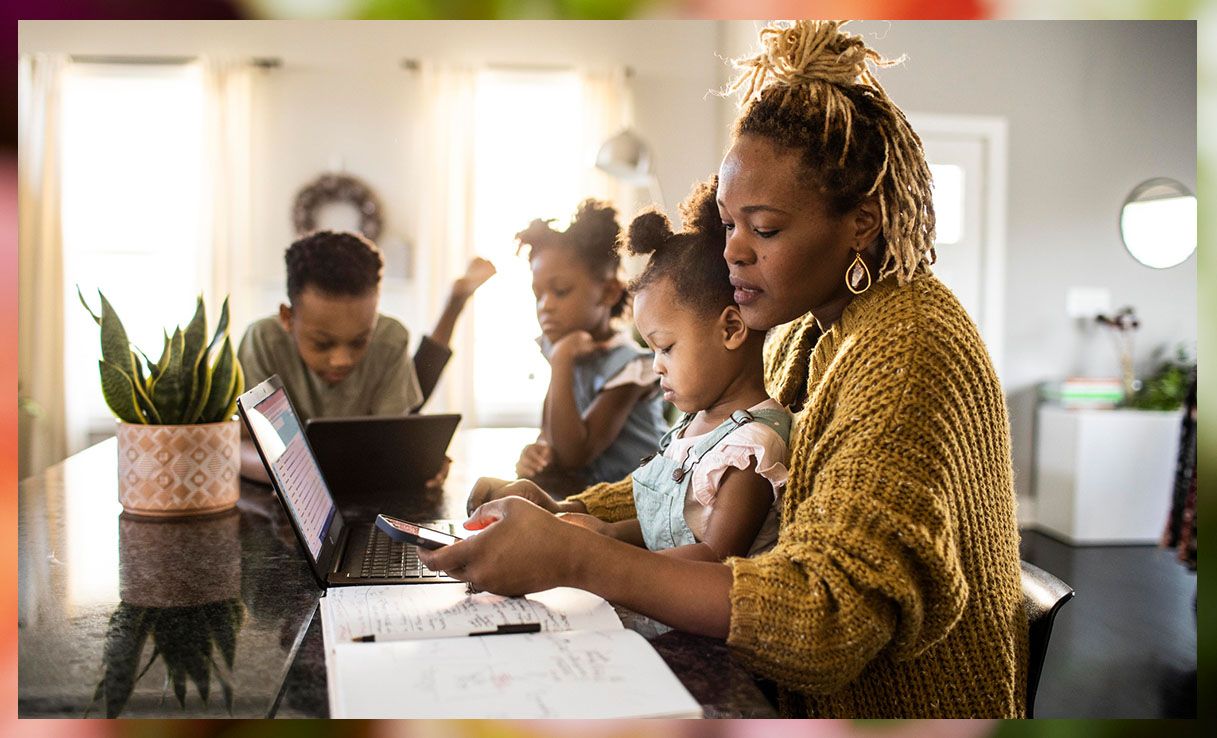
Psychologist Dr. Kirren Schnack has more than 18 years’ experience in psychological assessment and the treatment of adults, children and their families, including those within the sandwich generation.
She says: “People fulfilling this dual role encompass various aspects. Financially, they navigate the needs of their children and may also contribute to the management or financial wellbeing of elderly parents, addressing lifestyle changes, care needs, and the increasing costs of living.
Emotionally, they provide support to children facing challenges, while offering companionship and understanding to elderly parents. Support may also involve helping parents with changing living arrangements as their needs evolve.
Balancing the needs of two generations while also tending to their own personal needs presents a unique challenge.”
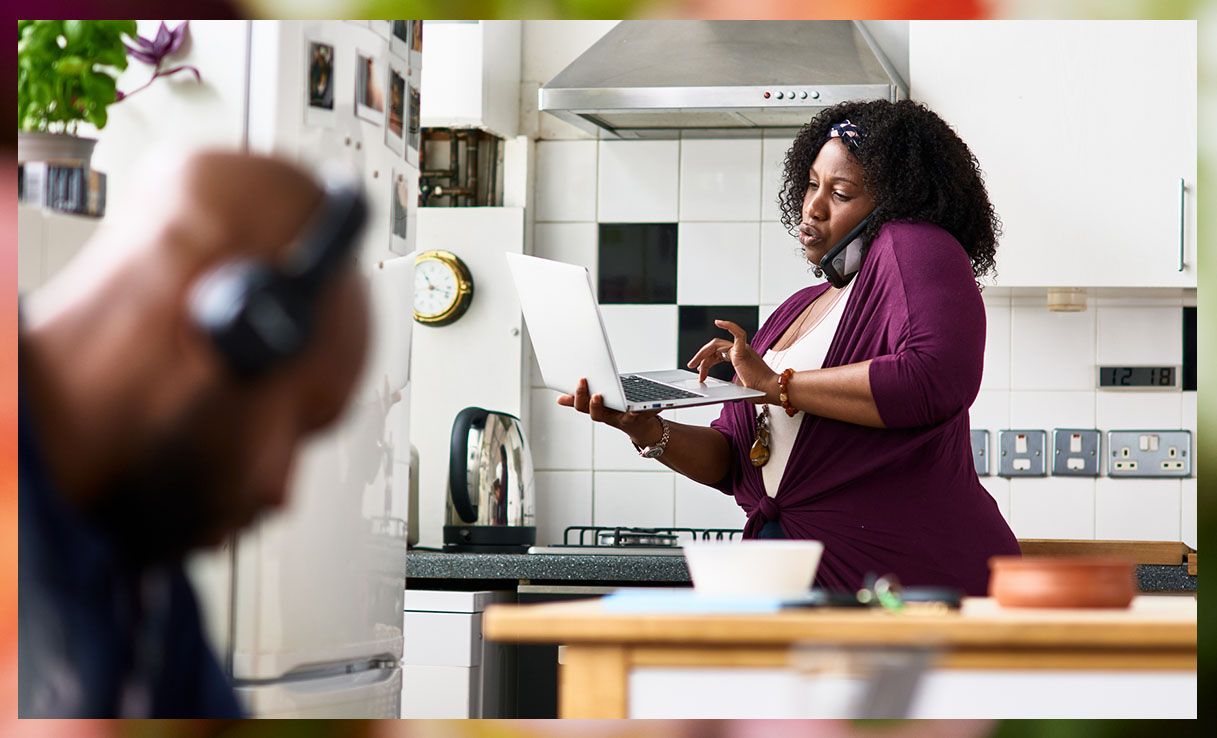
Being in the middle of caring for two generations does of course have its positives – spending more time with loved ones, and experiencing the feeling of giving back can be extremely fulfilling. However, being part of the sandwich generation can profoundly impact your own ‘normal’ daily life, anxiety levels, and overall mental wellbeing.
“It can feel relentless and the constant juggling act often leads to emotional exhaustion, heightened stress levels, and an overwhelming sense of responsibility. If they are not able to make time for their own needs and take care of their emotional wellbeing, it can result in burnout, heightened anxiety, and depression," says Dr. Kirren.
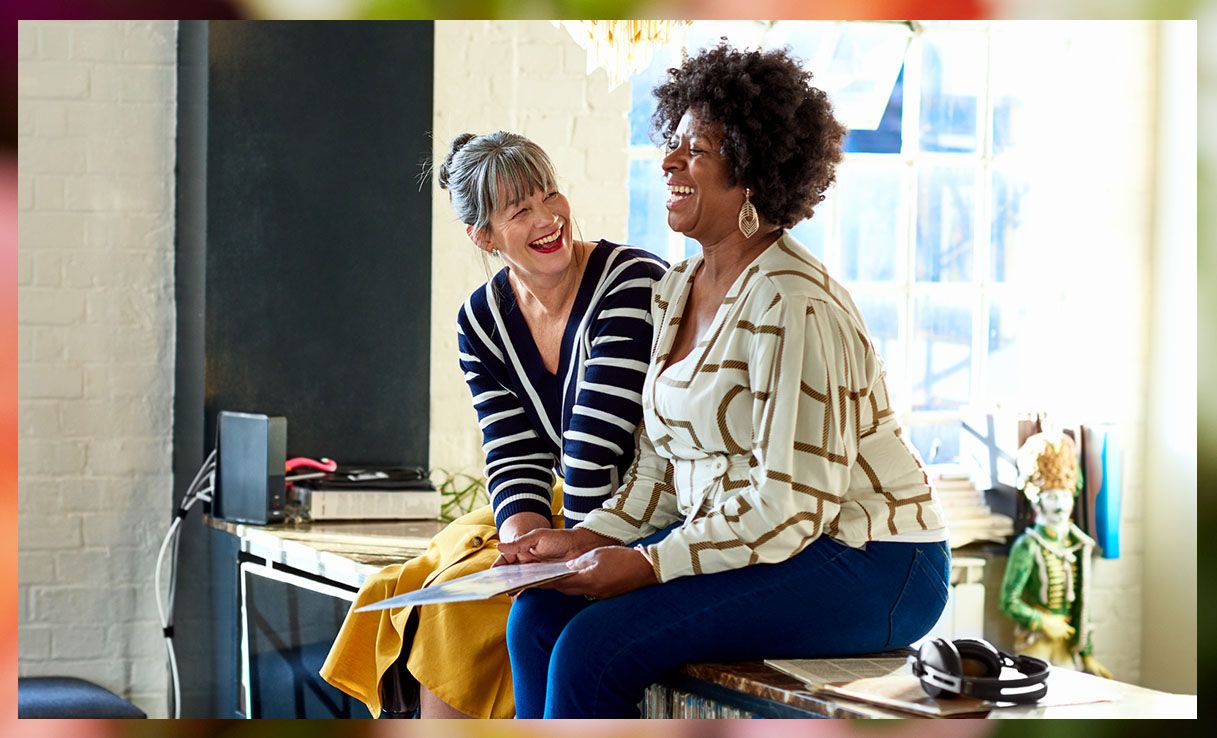
According to Dr. Kirren, the importance of carving out time to meet your personal and emotional needs is paramount if you want to navigate daily demands.
“Managing multiple responsibilities is an extraordinary feat, so they need to give themselves the credit they deserve,” she says. “I realise that finding time for yourself can be challenging, but not doing so can worsen the stress you’re already feeling.”
It’s not unusual to feel discomfort, guilt, or worry about others when making time for yourself, but Dr. Kirren believes caring for others effectively begins with caring for yourself: “Identify areas that can be let go to create breathing space and extra time for yourself, utilising pockets of time to prioritise activities that bring you personal joy or you find relaxing.”
Dr. Kirren also expresses how important it is to establish a support system and to delegate: “Be cautious not to take on additional responsibilities. Instead, maintain clear boundaries, learn to say no when you need to, and don’t hesitate to hand over tasks to others you trust.
Remember, self-care is never selfish but a fundamental aspect of effective and sustainable caregiving.”
If signs of burnout, anxiety, or depression arise, consult your GP for additional support.
Karen Arthur opens up the important conversation about diversity in menopause
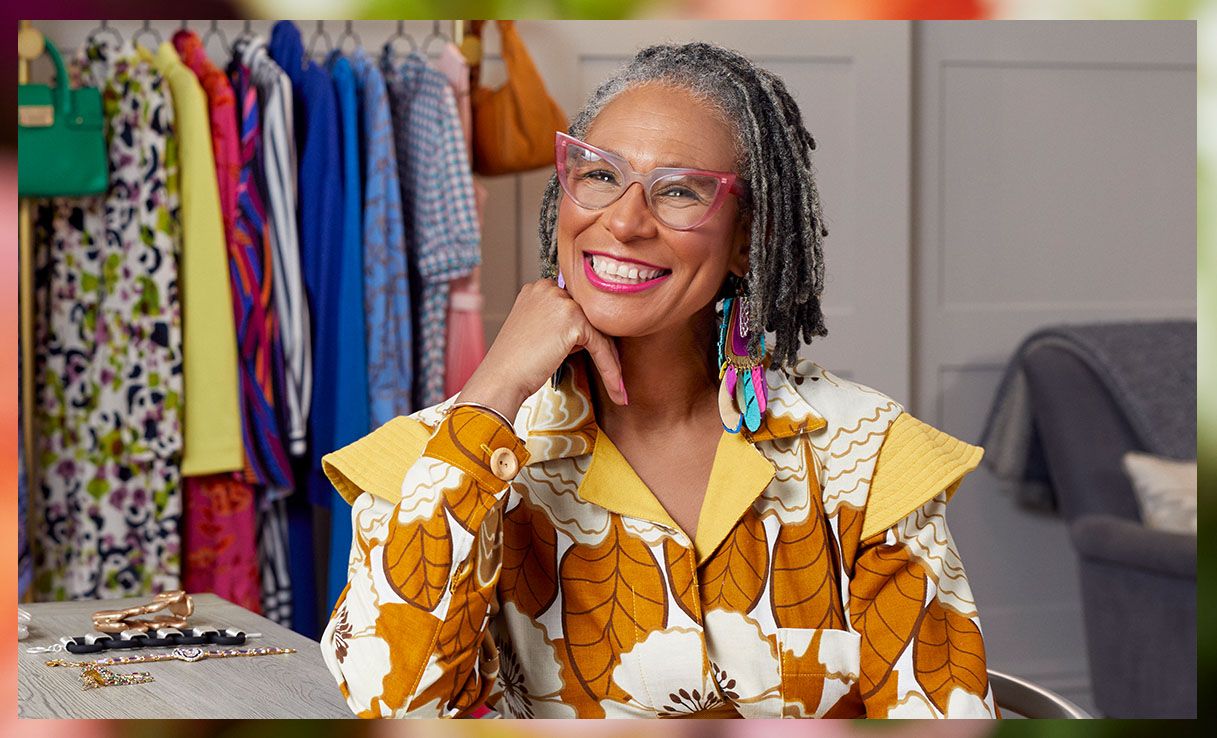
Eight years ago I experienced a breakdown or what I like to call a breakthrough. It took oodles of self love to heal. Back then no-one was making the links between poor mental wellbeing and menopause. In fact not many were talking about menopause openly. If they were they definitely didn’t look like me or any of my friends.
One day the whoosh of another fierce hot flush left me in no doubt, I was menopausal. I could no longer ignore my symptoms, but despite a brief chat about my realisation with my doctor, she offered me a course of anti-depressants.
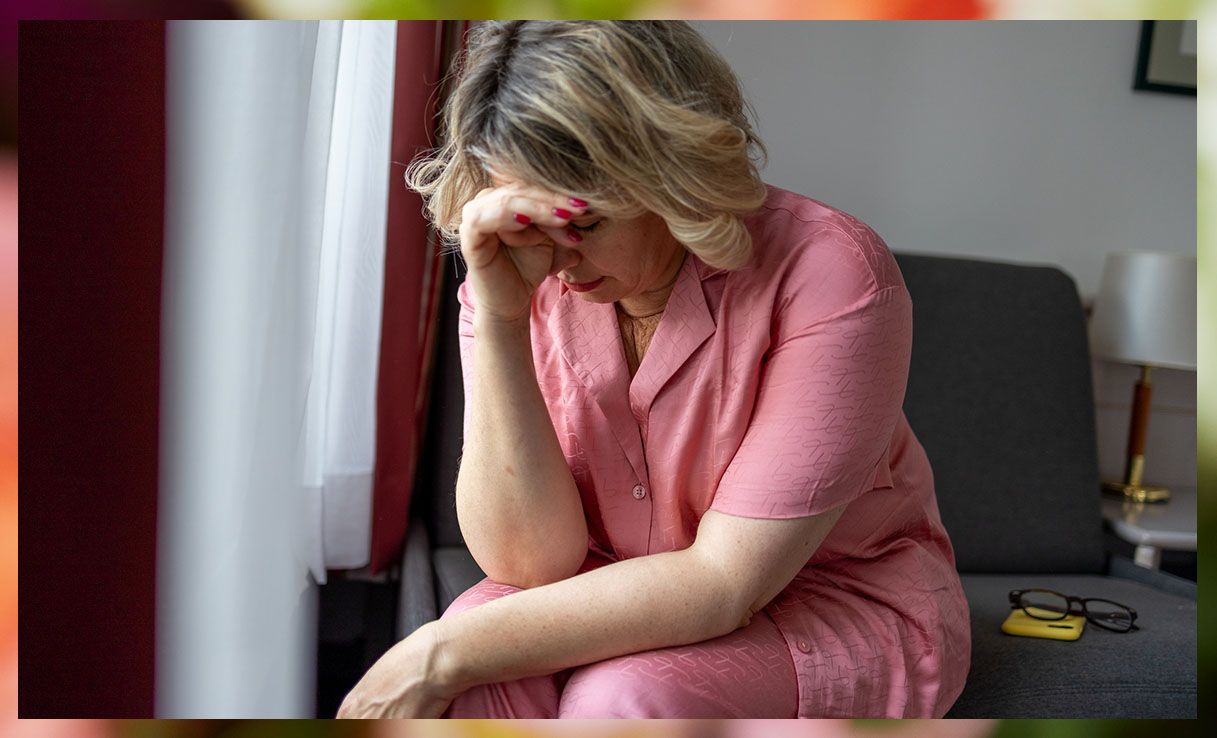
“Have you ever googled the word ‘menopause’ and clicked ‘images’? This was the question I asked in a video I posted on Instagram in early June 2020. It was a week after Amy Cooper, a white woman, had called the police on Christian Cooper, a Black man, in Central Park, NYC. Hours later the world bore witness to the execution of George Floyd. The world seemed to wake up to the racism that has always persisted.
I knew that stress exacerbated menopause symptoms and had begun to find out about ‘racial weathering’, a term used to describe the negative effects that racism has on Black bodies and our health outcomes. But the internet was full of white women with their heads in their hands. So, how were Black menopausal women coping with their menopause symptoms?
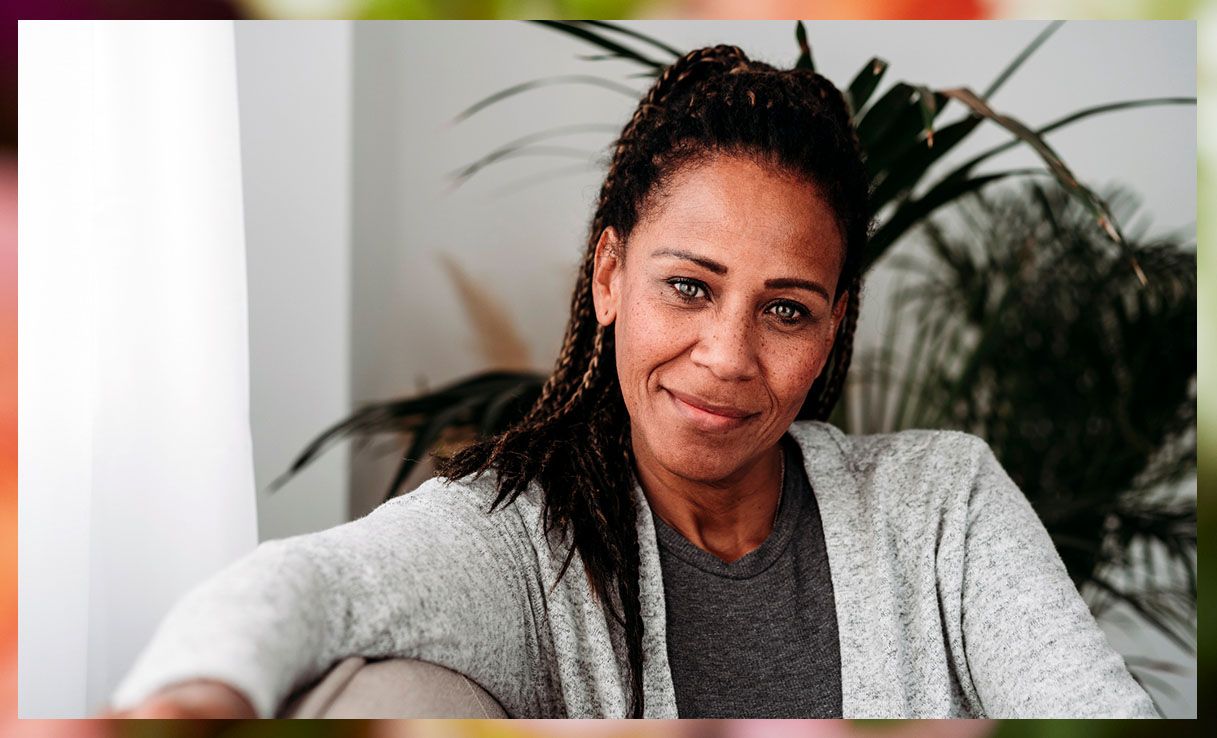
The Swan(1) report: “Black women reach menopause at 49, two years earlier than the national median age… It also appears that Black women spend more time in the menopause transition than white women do”(2). How was this not common knowledge? More Black women reached out to me asking for info. I put out two surveys targeting Black women with British roots to share their knowledge and experiences of menopause.
Most knew nothing about menopause, didn’t realise their symptoms could be attributed to perimenopause and weren’t speaking to anyone about it. Our mothers just ‘got on with it’ and the phrase ‘strong black woman’ was sprinkled throughout. Some had been dismissed by their doctors as ‘too young’ or offered medical procedures they weren’t comfortable with. More nuanced and cultural information was needed.

I had been listening to Omishade Burney-Scott on her podcast Black Girls Guide to Surviving Menopause for a year. Hers was the first podcast of this nature – a mid-life Black woman centering Black people during their varied stages of menopause and beyond. I started my own, Menopause whilst Black, out of a need to put UK voices out there.
A podcast featuring Black, British-based women talking openly about their menopause experiences was a welcome change. The more people from across demographics and cultures who speak about their lives, the less people will feel desperate and alone. Just as I felt.
As mentioned, Black people who experience menopause start our transition up to two years earlier than our white counterparts. We are more likely to suffer from physical symptoms such as hot flashes and night sweats for longer. Black people also have a higher propensity towards developing diabetes often brought on by menopause. Relative to white women, Black women are 2-3 times more likely to have fibroids, to develop them at younger ages, to have bigger fibroids, to have more fibroids, and to have more symptoms (3).
Women experience depression at rates twice that of men, so you’d think the percentage of Black women receiving care to mirror that of White women. However, Black women are only about half as likely to seek care and face significant disparities in health care. And it's no wonder.
American gynaecologist James Marion Sims is widely seen as the ‘godfather of modern gynaecology’. A less publicised fact is that he performed his ‘experiments’ on enslaved Black women. There are also recent studies that reveal racial bias in pain perception amongst medical students, which has a negative impact on the treatment and care Black women receive.
Black women often weren’t being listened to when they did work out that something was wrong. Getting a doctors appointment is stressful enough without the anxiety of possible misdiagnosis, micro-aggressions or dismissal added to the mix.
Truly well thought out menopause care that centres the individual is improving with heightened awareness from doctors and deeper training. But it has a long way to go. So what can Black people do to ensure that we survive and thrive through menopause? And how can people who don’t happen to be Black, help?
Knowledge is power. Oftentimes we ignore the signals that something is wrong in order to carry on, or because we feel we have no choice. We may not have had role models in our mothers who were intentional about rest or setting boundaries with family and friends. We have been eternally praised for being ‘strong’. It’s time to be soft. It’s time to turn the love, care and attention we give to everyone else and pour it into ourselves. Rest is our birthright.
So the answer is in the knowing. In this way when we visit a doctor or healthcare professional we will find it easier to advocate for ourselves.
We need others to listen. Believe Black people. Amplify our voices and speak up proactively for our often marginalised voices. We need allies to ensure that ALL receive the respect and care we deserve. As I am fond of saying, when diversity wins, we all win.
Resources:
Midlife coach, Henny Flynn, on how menopause can affect our mindset and mood
Many people talk of how confusing it feels when they begin to experience menopause and while we may know about many of the physical symptoms, we’re often unprepared for the changes it can bring to our mindset and mood.
When things feel overwhelming, remembering we’re not the only one going through it can help. Research shows over 50% of women experience symptoms like brain fog, word loss, increased anxiety and loss of confidence during menopause. These can all affect the way we feel – and that affects our mood and mindset.

Your mindset is a set of beliefs that shape how you make sense of the world and yourself. It influences how you think, feel, and behave in any given situation. We used to believe people’s mindset was broadly fixed – but neuroscience now shows us how elastic our brains are and that we CAN change our mindset to better support ourselves.
It’s important though that we don’t adopt a stiff upper lip, pretending everything is okay. Rather, we should look to be more compassionate with ourselves, acknowledging that sometimes it feels hard and reminding ourselves there are ways through.
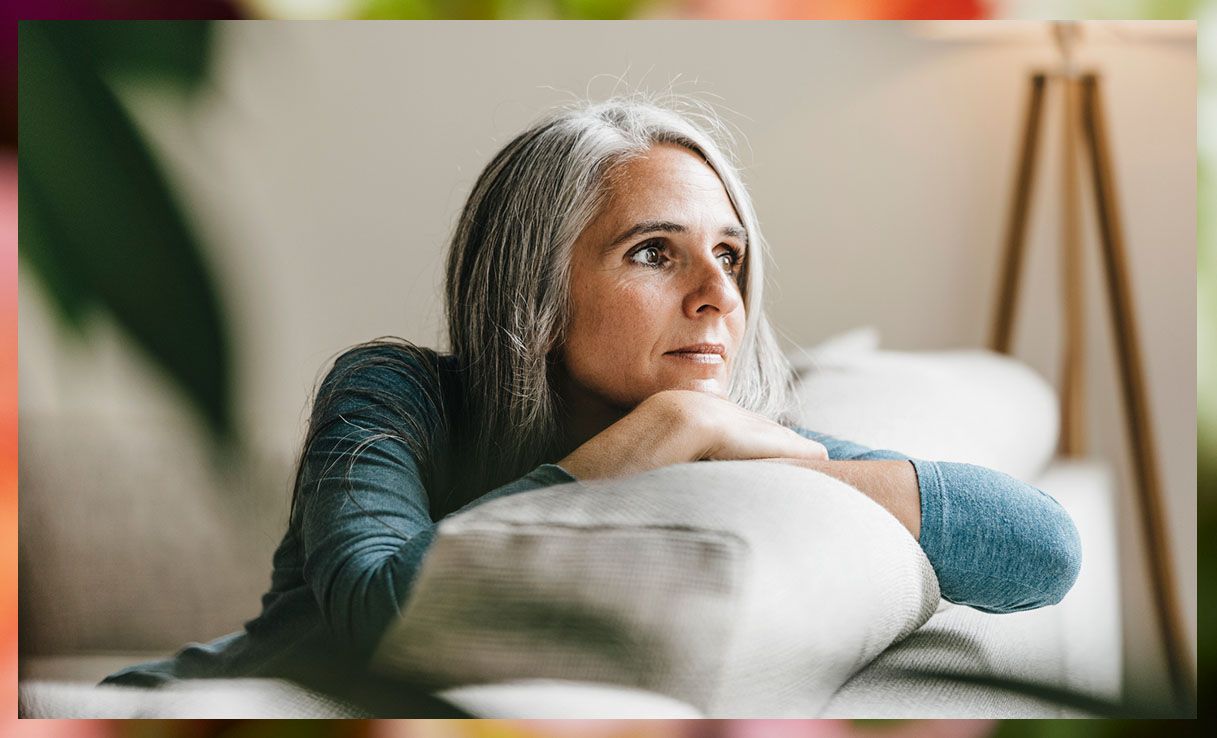
We often think about our sex hormones – progesterone and oestrogen particularly – as being centred in our reproductive system. But they travel throughout our body and oestrogen (amongst many other hormones) is also recognised as being important for our brain function.
Cortisol, the hormone we commonly associate with stress, shares the same pathway through our bodies as oestrogen and progesterone. So when we’re stressed we’re also inadvertently inhibiting the benefits of those hormones. We need to change direction to lift our mood and change our mindset.
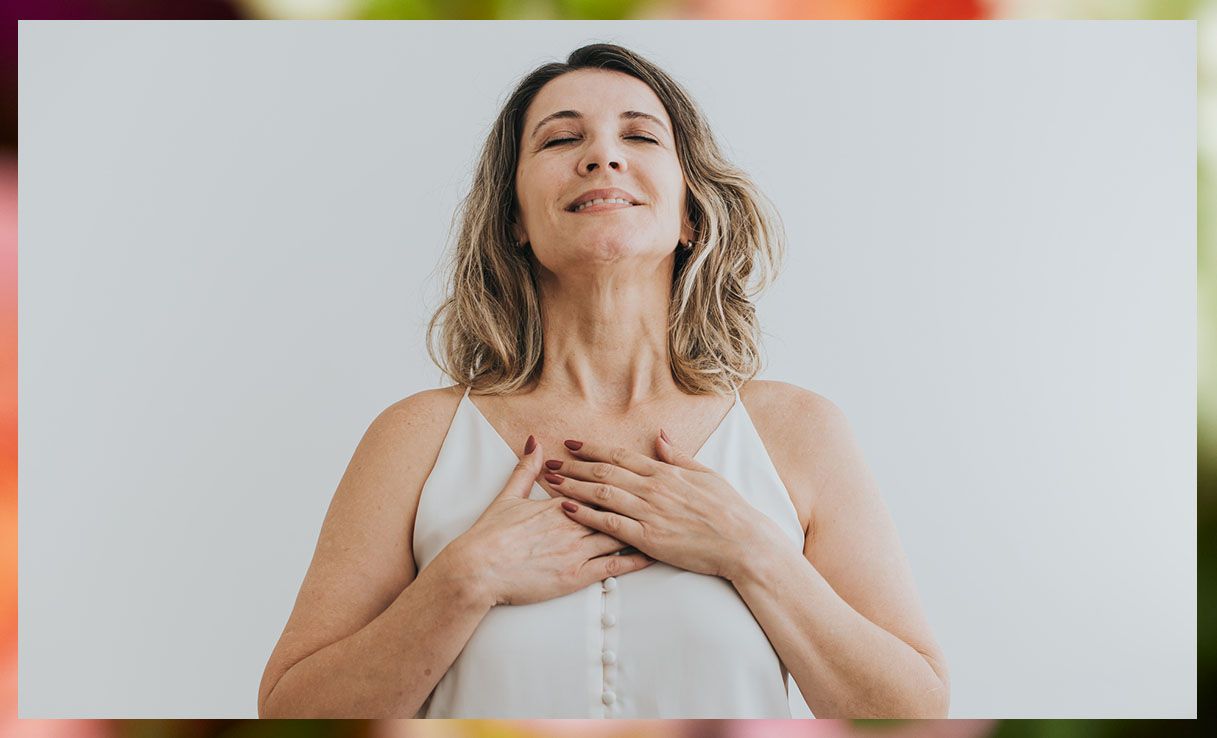
1) Did you know that putting your hand on your heart for just a few minutes begins to release oxytocin, the care-giving hormone? This helps to balance out the cortisol and adrenaline that can get activated by feelings of stress or anxiety, and the beauty is you can do it anywhere.
2) Take a deep breath and hum out for as long and as slowly as you can. Repeat twice more. Notice where in your body you feel the vibration of the hum. If you're in fight or flight mode, the humming breath is a powerful way of telling your brain you’re safe – because you can’t hum and run from a sabre tooth tiger…
3) Reframe it to change it. Just as putting a new frame around a picture can transform the way it looks, reframing the way we see something we’re experiencing can transform how it feels. So hot flushes become power surges, foggy, forgetful brain becomes a brain going through an upgrade, and so on. Reframing in this way shows the power of the language we use.
Therapist, Joanna Harrison, covers two areas she often sees contributing to increased conflict
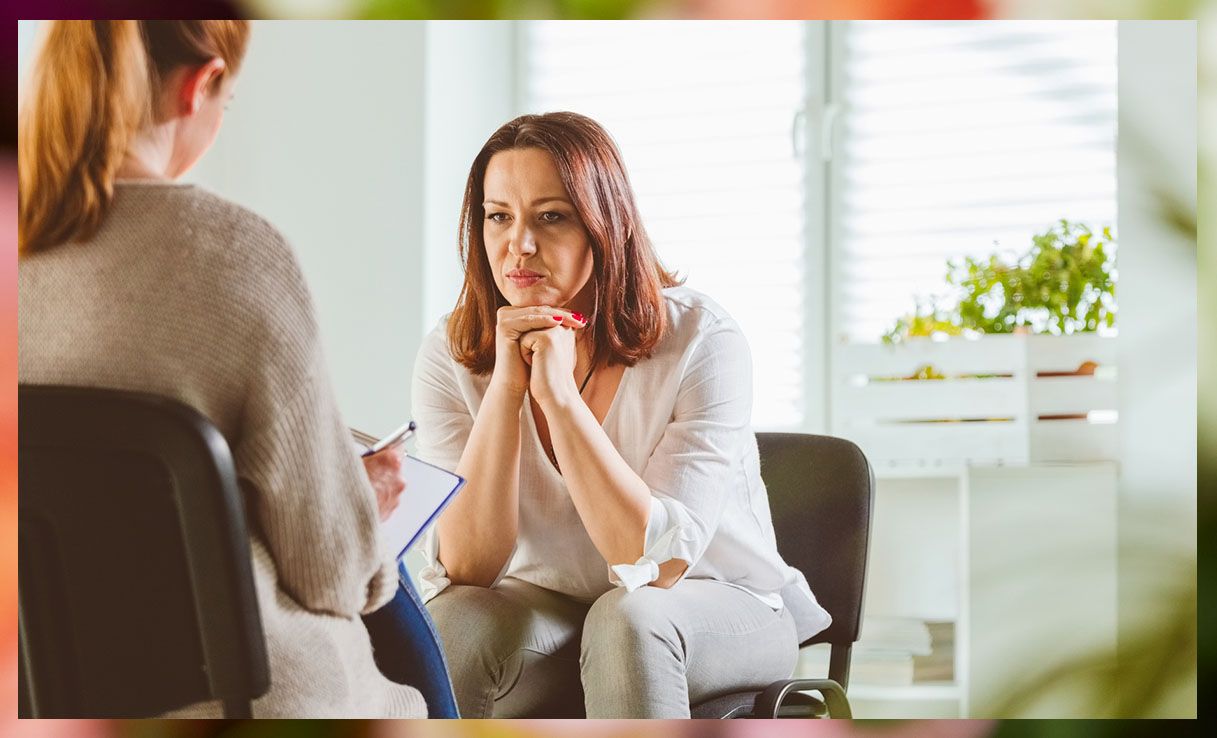
Often perimenopause and the menopause get blamed as the cause for increased conflict in relationships. It’s not usually the whole picture but it is true that hormonal changes can lead to increased irritability or anxiety. If you are going through this or feeling like you might be, consider if there are any lifestyle changes you can make or if seeking professional medical advice will help.
Often making these changes can feel hard on your own. Think about your support network, whether that’s family, friends or professionals, and reach out to people you trust can help you take important necessary steps to look after your health. See if there is anything that can be shared to enable you to focus on your health.
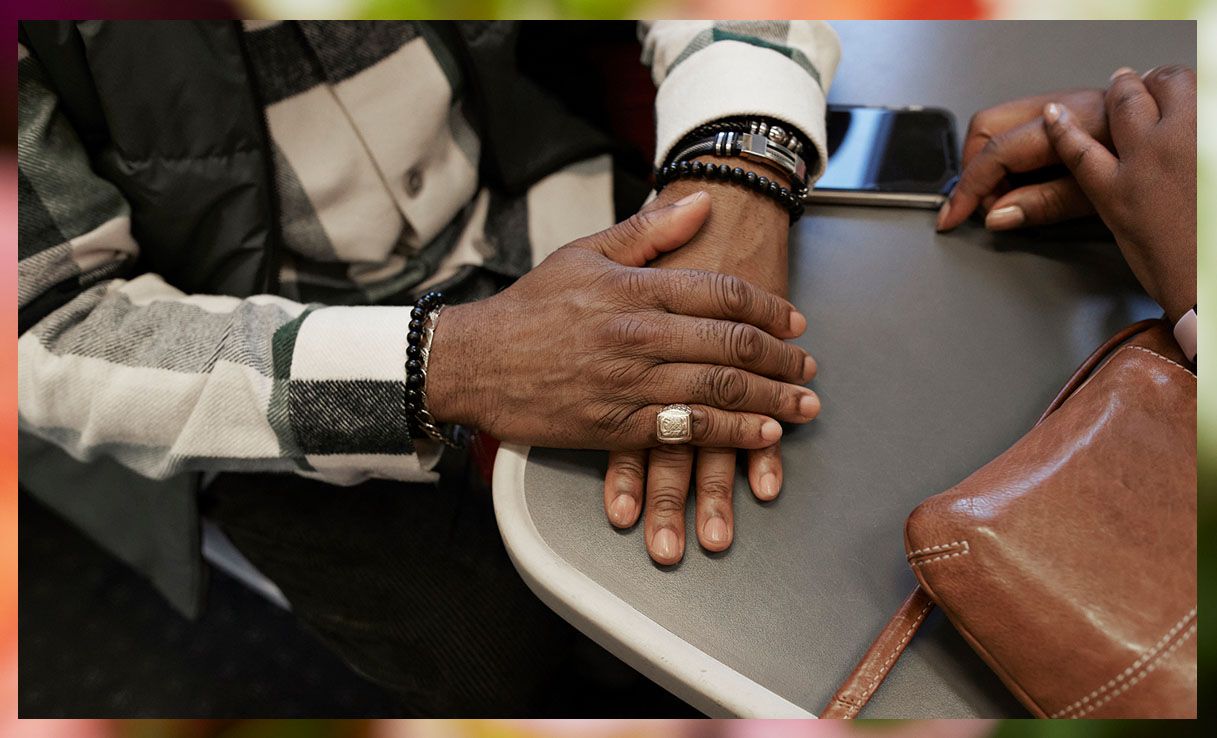
Midlife stirs up difficult feelings. For example, sad or fearful feelings to do with getting older and having physical changes, mixed feelings about possible gaps between what you had hoped to achieve and where you feel you actually are, and, for parents, feelings around their children getting older. Increased caring responsibilities for elderly relatives add to the pressure.
Everyone has their own unique set of circumstances. When I see conflict in couples at this stage of life, what it so often relates to is not so much being able to solve these issues as couples, but not finding a helpful way to talk about them together. This results in sad, fearful or angry feelings ‘leaking’ out unhelpfully into conflict.
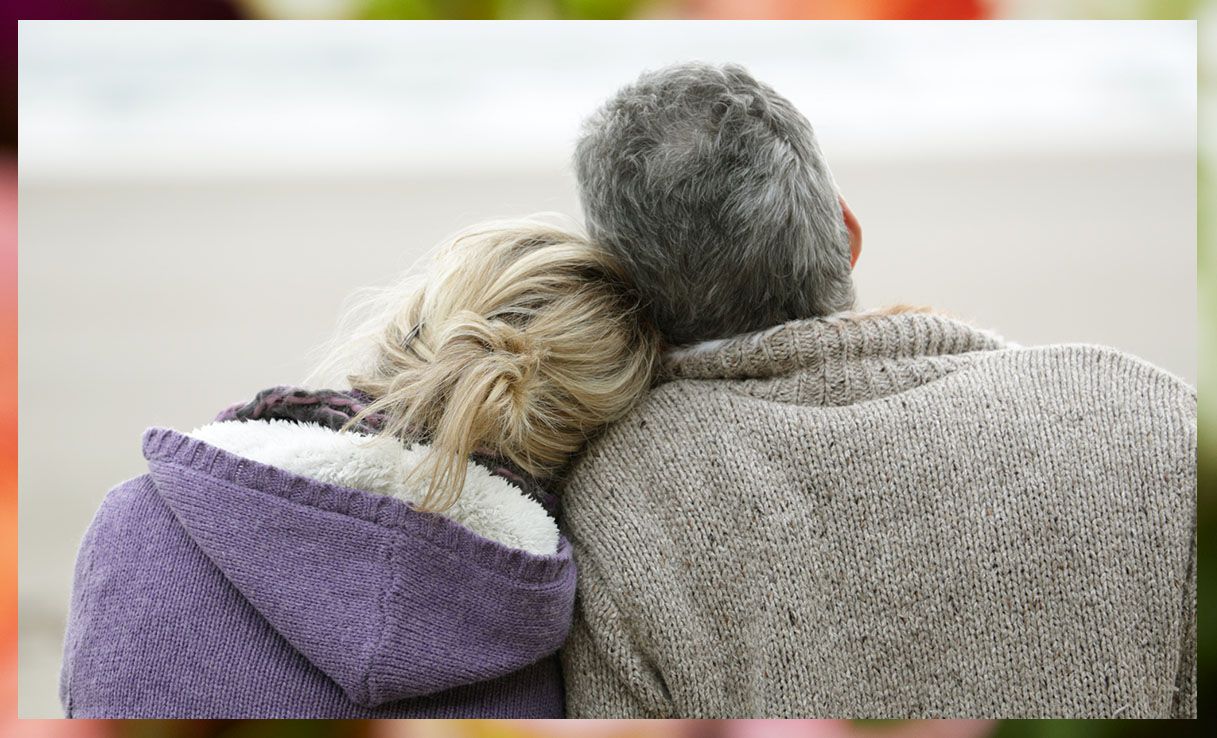
Set aside proper time to speak about how you are both feeling, actively listening to each other without trying to solve anything. If you do have an argument, take time afterwards when feelings have cooled down to try and understand better what it was you both felt strongly about.
If you hear each other saying something you don’t agree with, rather than try to persuade them of your point of view, instead make an effort to acknowledge what they are feeling to show that you have heard it. Often this can help conversations to be more creative and to take the heat out of having different opinions.
Advice from Jo Fuller, founder of The Merry Menopause and an ACTP-accredited coach
Sign up now for all the latest offers and inspiration, plus 10% off your first order.
By clicking on Sign Up you will receive QVC promotional emails and we will update your marketing preferences. Please see our Privacy Statement
Spread the cost of your shopping in monthly interest-free instalments or pay in full - you decide.
Don't miss the 60-day returns window, it's our money back guarantee. Our Returns Portal makes it easy.





Privacy StatementCustomer Terms & Conditions
QVC is not responsible for the availability, content, security, policies, or practices of the above referenced third-party linked sites, nor liable for statements, claims, opinions, or representations contained therein. QVC's Privacy Statement does not apply to these third-party websites.
© Licensing for emojis: Emojis by Twitter / Twemoji
Copyright 2020 Twitter, Inc and other contributors
Code licensed under the MIT License
Graphics licensed under CC-BY 4.0
© 1998-2026 QVC UK. All rights reserved

