
Get 10% Off Your First Order
Sign up now for all the latest offers and inspiration, plus 10% off your first order.
Fitting in purposeful, consistent movement and a balanced diet in midlife can be tricky, so it’s important you find a way to exercise and eat healthily that works for you and your lifestyle. We’ve selected fitness and nutrition experts to share their top tips on how to enjoy the very best nature has to offer.
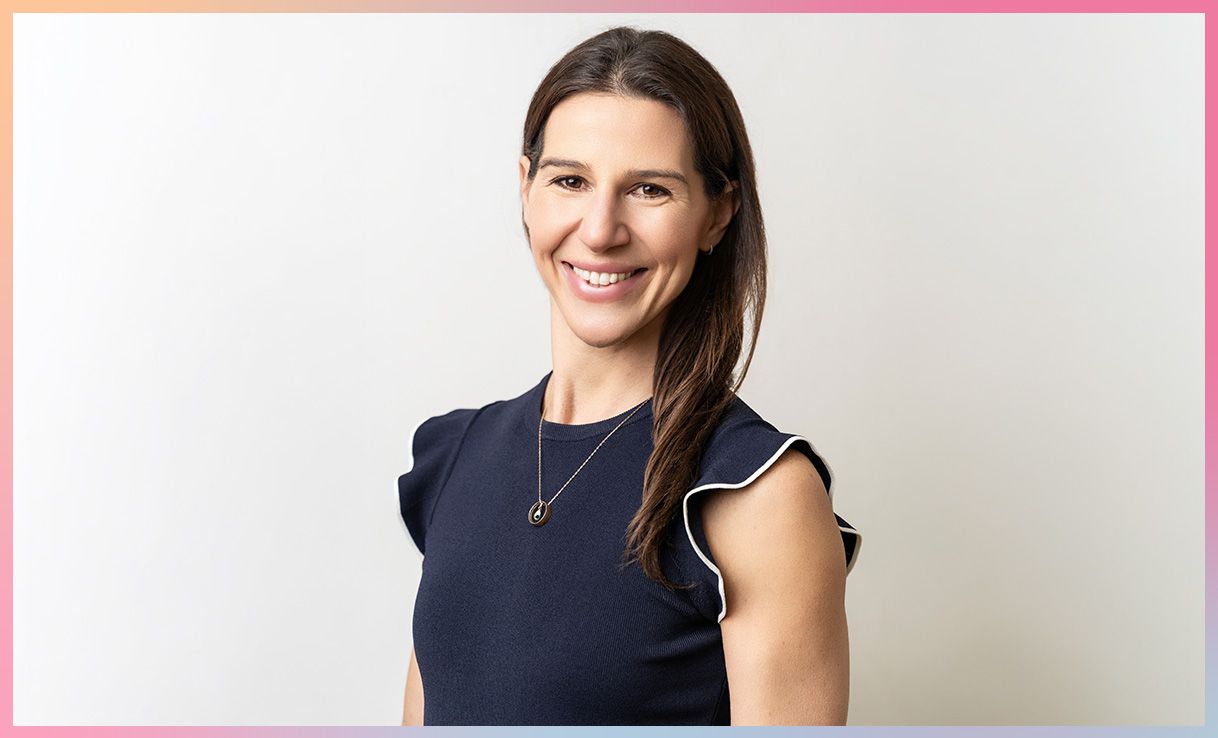
Dr. Maria Papavergos, dentist, dental surgeon and wellbeing expert, explores the importance of maintaining optimum oral hygiene and the benefits this has on our gut health.



Wellness coach, Lavina Mehta MBE, takes us through four easy ways to boost your energy levels, including her game-changing exercise snacking method, which involves taking part in short workout bites throughout the day.
Practitioner, Libby Stevenson, on why yoga is the perfect form of midlife movement
Yoga is a holistic form of movement that consolidates the mind, body, breath and emotions. It can ease our symptoms of the menopause, make us feel better about ourselves and about the world around us.
When we think of yoga, we think of the words “gentle and slow”, but that is in relation to other forms of exercise. Yoga is not exercise. Yoga is movement, breathing, stillness and awareness: all of which give you a whole body and mind experience. And because it’s an experience, it helps midlife women reassess their place in life. It helps them connect to their passions and interests which were put on a back burner for years to pursue careers, raise children and make their way in life.
As for yoga being “gentle and slow” as a form of movement, this is exactly what midlife women who have not exercised in a while, need to ease back into exercise. Movement and exercise in midlife are important for so many reasons. Let’s explore how the decline in oestrogen in menopause affects the female body and how movement can help:
1) Menopause weakens bones, which can lead to osteoporosis: a condition where bones become thinner, frail and break easily. Osteoporosis negatively impacts our quality of life. Movement and exercise help keep bones strong.
2) Menopause causes a loss of muscle mass. Muscle mass impacts how the body burns calories. The combination of a slower metabolism (the rate at which the body burns calories) due to aging and the tendency of the menopausal body to hold onto fat means that some women gain weight in midlife. Through movement and exercise, we can maintain a level of muscle mass that helps the body burn calories more effectively.
3) Another benefit of yoga is its ease of access. It requires no equipment (a yoga mat is not compulsory, a carpet will do just as well), it uses your body weight as resistance and, thanks to the boom in online yoga, it can be done from the comfort and privacy of home.
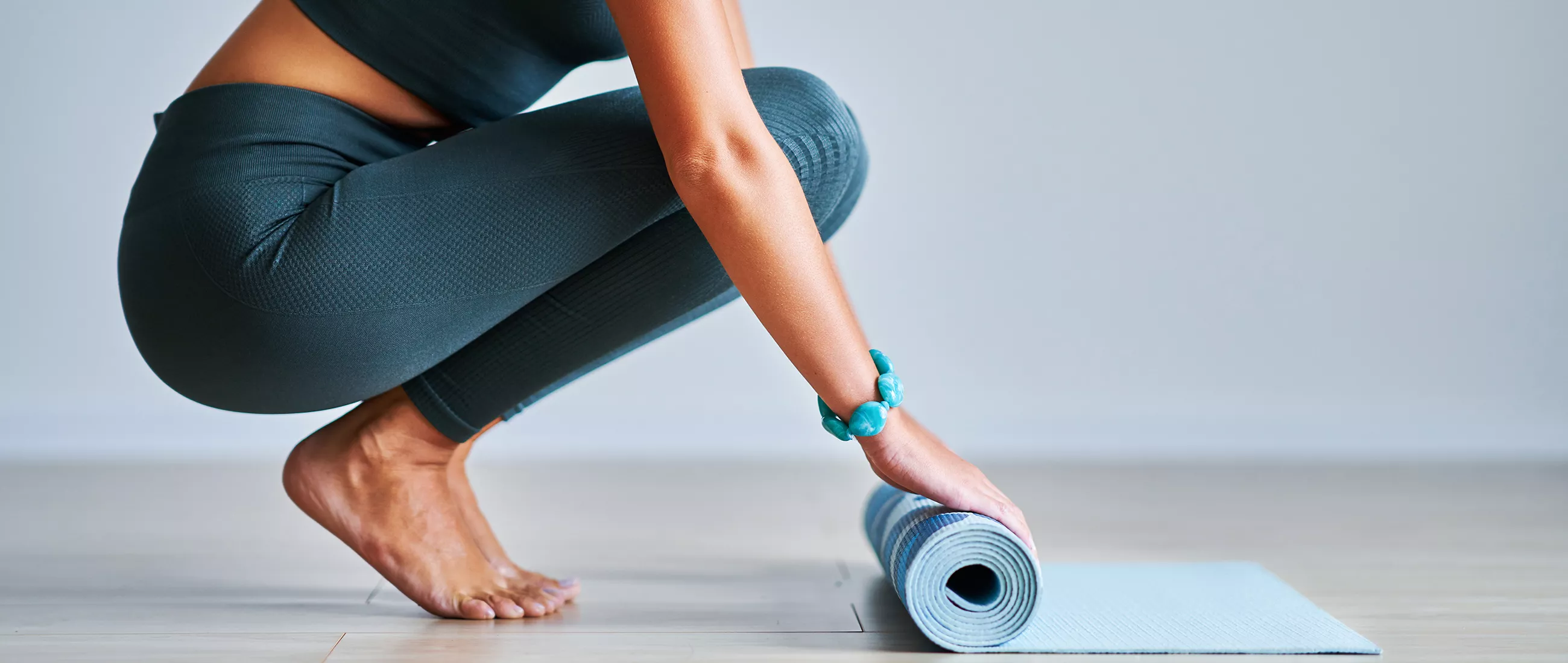
Breathing techniques: most breathing techniques are calming and cooling which easily and quickly help to counteract the hot flushes or feelings of anxiety experienced in menopause. When feeling low or fatigued, energising breathing techniques can boost our mood and energy levels.
Meditation: with so much happening within us and around us in midlife, meditation is that haven of awareness and introspection which helps us keep the events in our life in perspective. Difficulty sleeping is another symptom of the menopause that many women struggle with. Meditation done before bedtime quiets the mind and lowers blood pressure setting us up for a restful sleep.
Asanas or yoga poses: we move in yoga by flowing from pose to pose to improve our agility, coordination and to tone our body. Or we can choose stillness in a pose to improve our balance, extend our range of motion, and strengthen our bones and muscles. In both cases, yoga poses are gentle on achy joints which is something many midlife women experience.
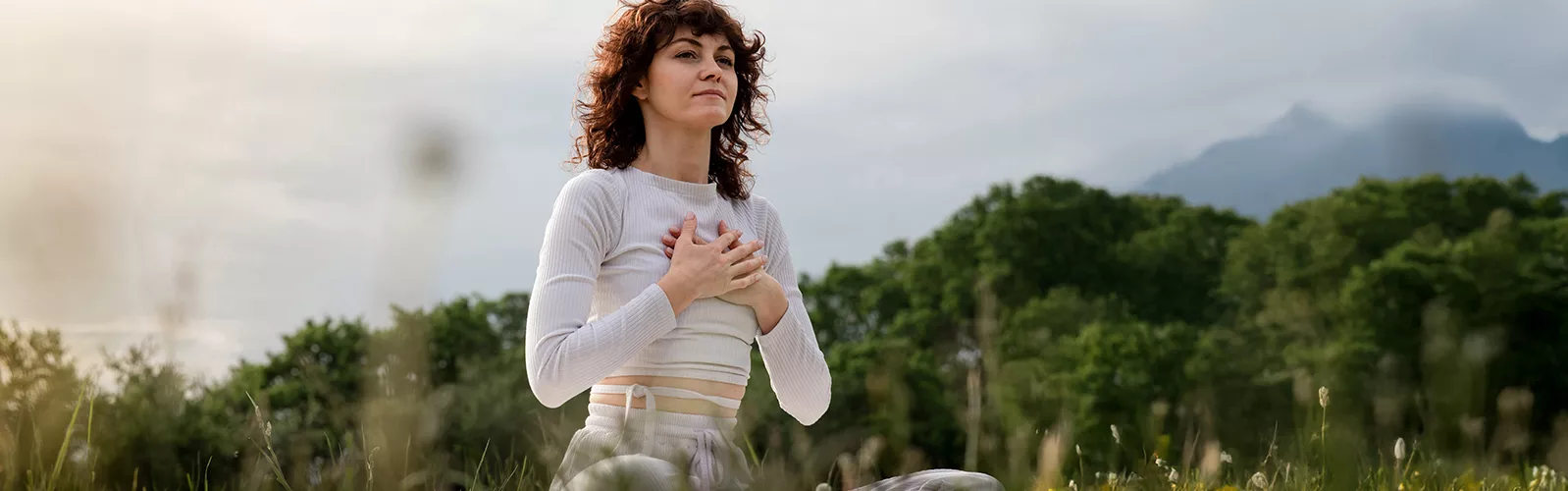
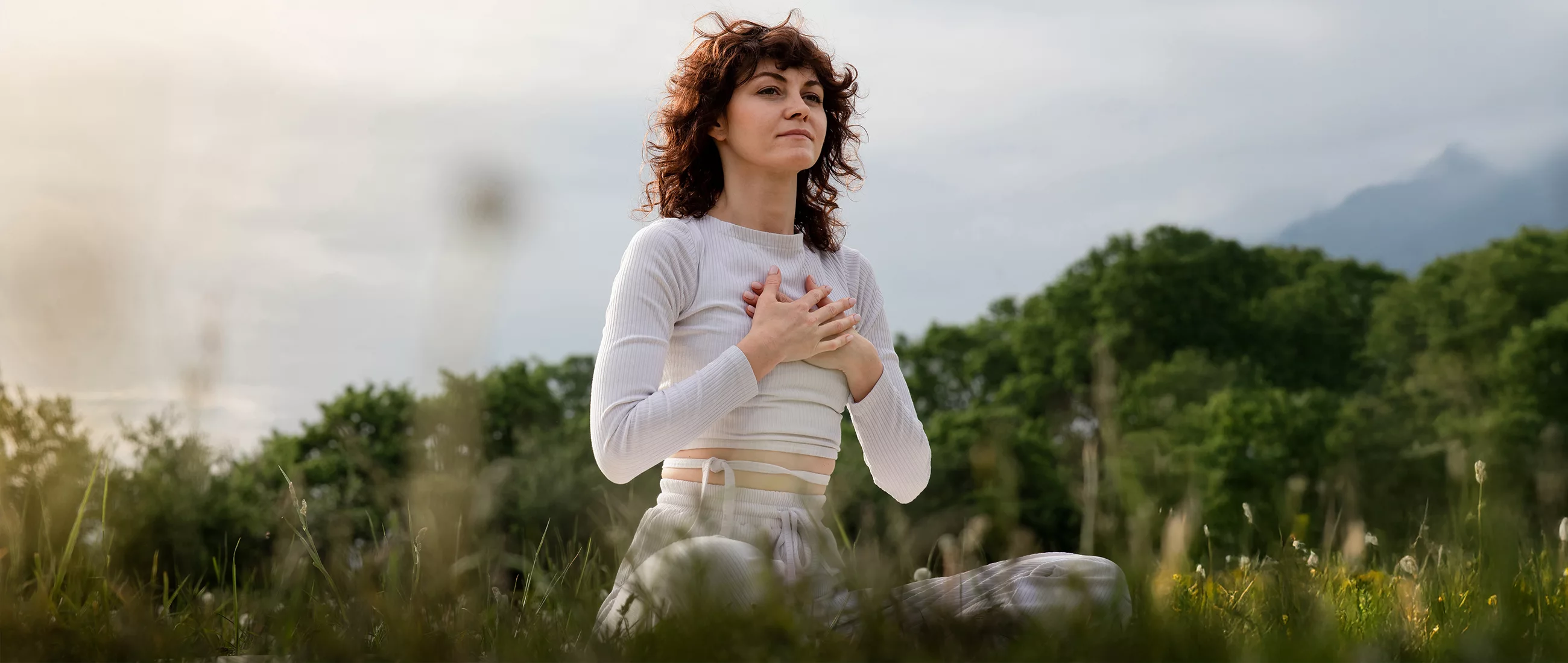
There is another aspect to yoga that not many people are aware of: you don’t need to spend a lot of time doing yoga to reap its benefits. It’s not necessary to do a weekly hour-long yoga class if you don’t have the time for it. Yoga can easily be incorporated into daily life whether at home or when out. It can be done anywhere and anytime. For example, cool down a hot flush with a quick and effective breathing technique. Do a balancing pose to clear the mind and feel refreshed. Release the day’s tension and sleep better with yoga poses that will ease mind and body into relaxation.
Tree pose: it’s a standing balancing pose and we balance on one leg. This strengthens the muscles and bones of the standing leg and hip, which helps to prevent osteoporosis. It quiets a busy mind because, to balance, we can’t focus on anything other than balancing.
In addition, tree pose strengthens the parts of the brain that deal with balance and agility. This is important because we become more susceptible to falling as we age. Having good balance and being agile helps reduce the chances of falling and the risks associated with it.
Mountain pose: it is both a standing and a seated pose. It uncurls the spine, shoulders and chest. All of which curl forward naturally as we age. Mountain pose helps us avoid the stooped forward posture of ageing. It also lifts the rib cage which gives the lungs space so that we can breathe better and more deeply.
When this happens, our immune system is boosted, and the brain gets more oxygen which can help with brain fog. Mountain pose also gives space to the digestive organs so that they can do their job more efficiently. Women in menopause complain of digestive issues and mountain pose can certainly help, as can the next pose.
Child’s pose: this is a restorative pose, and it is a good one to do before bedtime because it releases tension from the body and quiets the mind. It is a gentle lower back and thigh stretch and, depending on the placement of the knees, an effective hip opener.
It’s perfect for anyone who spends a lot of time sitting. The placement of the arms, either stretched forward or beside the body, stretches different parts of the spine which resets the nervous system and brings the body to a state of calm. The forehead on a mat or cushion is pressing on an acupressure point, which also calms the nervous system.

Nutritionist Emma Bardwell shares easy ways to boost fibre in your diet
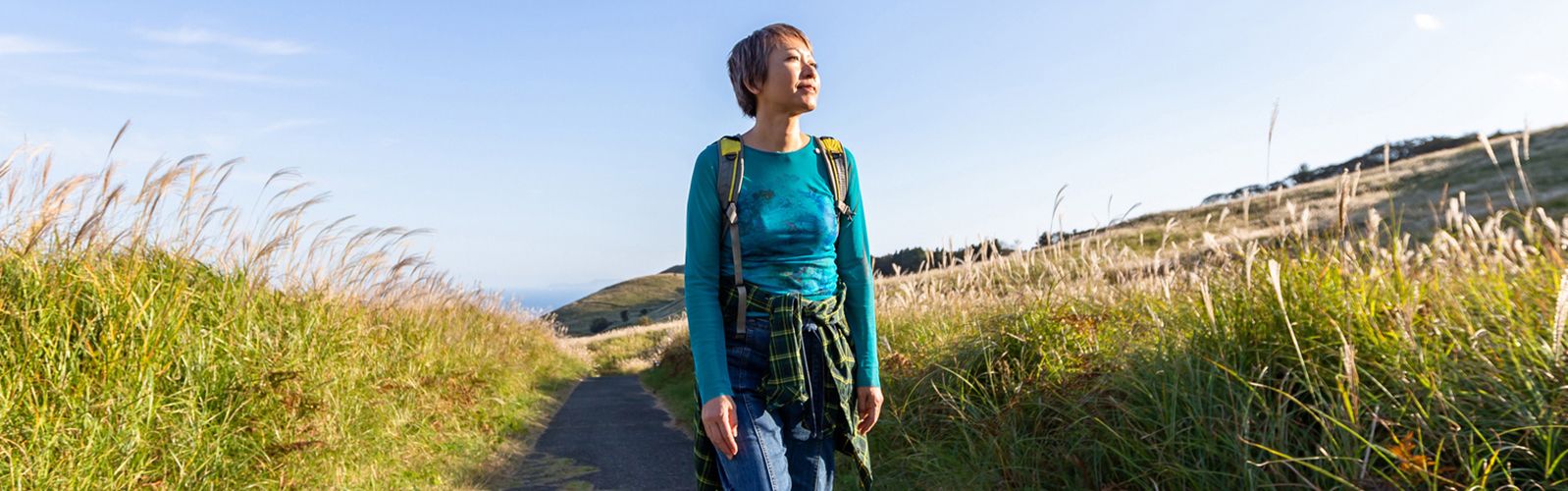
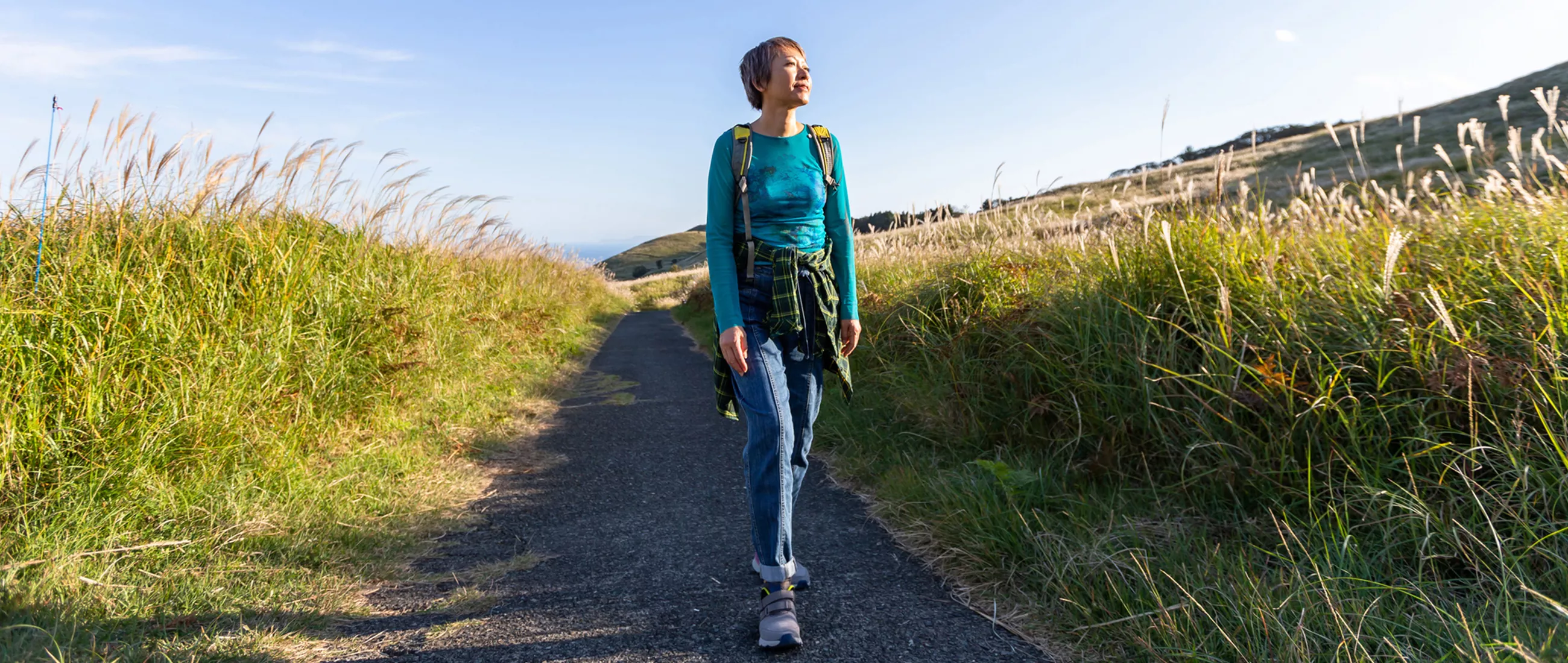
During my menopause I have been walking to feel connected to the environment and with myself. There have also been times when I’ve walked to switch off, step out of the world or make sense of my situation.
Sometimes I walk to find inspiration, mull over a problem, or engage in my surroundings. At other times I walk because I don’t know what else to do. I don’t always know how to manage my mood or quiet my mind.
Understanding the reason why I walk has given me a renewed sense of purpose, and the option to pick and mix them to suit my perimenopause symptoms helps me feel more in control.
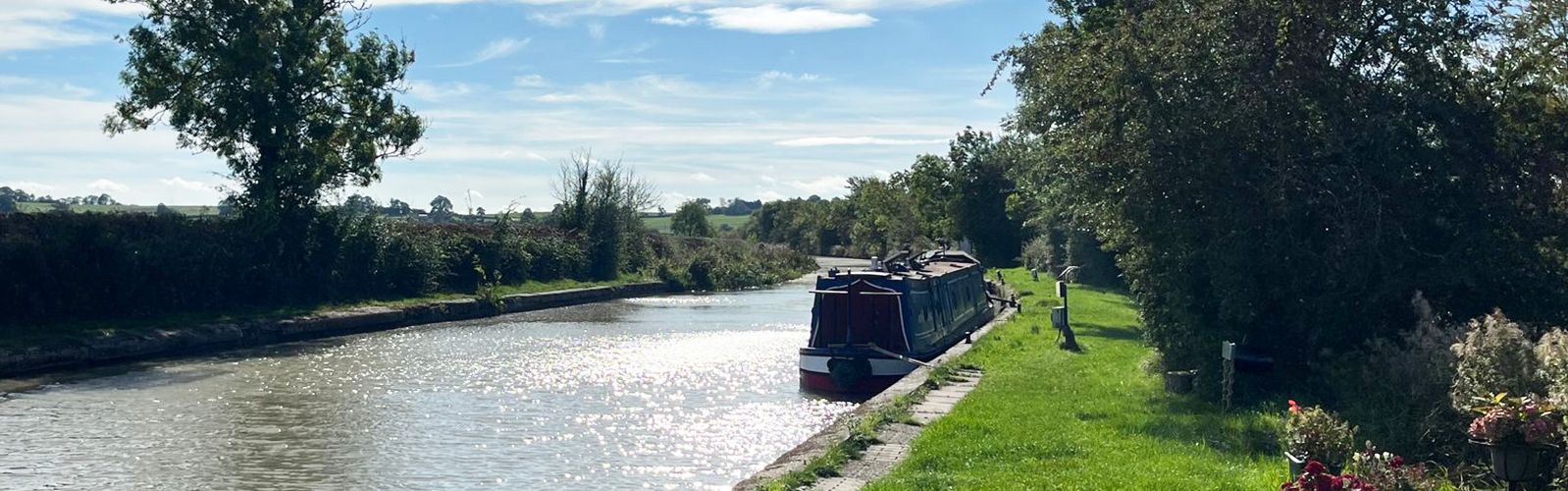
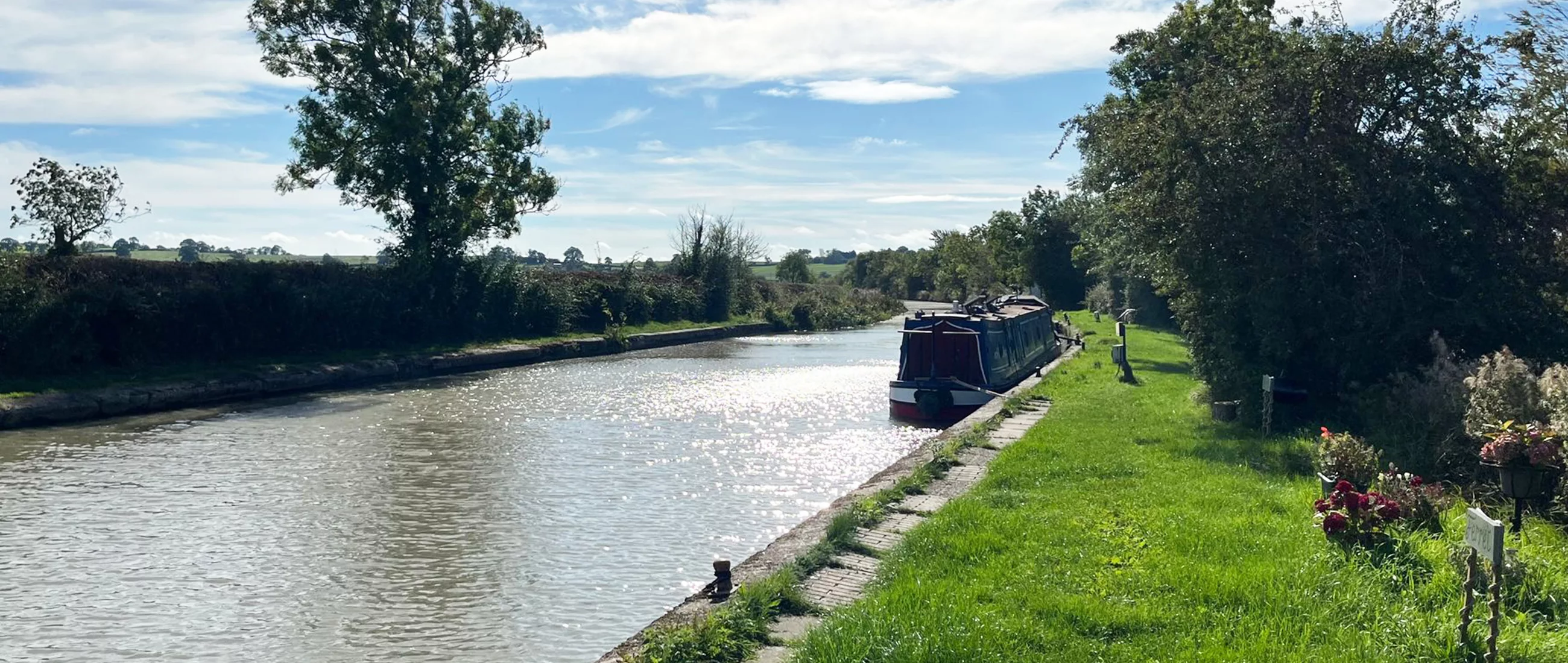
An awe walk: when I’m overwhelmed, it can be hard to focus on anything. However, during an “awe walk”, Bryan E. Robinson explains, you can consciously move your attention outward instead of inward creating ‘a self-transcendent sense of wonder and reverence in which you feel a part of something larger than you.’ This helps me find perspective.
A meditative meander: saying affirmations, such as ‘I am present, I am calm’ or walking in time with your breath helps create mindfulness, which can help settle a menopausal mind and find some calm in the chaos.
A wonder wander: in menopause, my mind sometimes feels muddled, and answers/solutions to problems or creative inspiration can be hard to find. According to a Stanford Study by May Wong, walking improves creativity by 60%. So, why not try setting an intention heading out?
A break-breather: walks don’t need to be long and are perfect for taking some time out when you’re feeling overwhelmed with life, and shorter walks can fit into the busiest of schedules.
A moon walk: if you’re struggling to sleep during menopause, evening walks can offer a different perspective on familiar settings. You can track different moon phases and their specific benefits using moon apps too.
A whimsy walk: brain fog in menopause can make it hard to focus, so without too much thought, I put one foot in front of the other and go where my feet take me. You never know what you might discover about yourself and the world around you.
A barefoot walk: walking barefoot for 20 minutes in your garden, local park, beach or a canal tow path (my personal favourite!) is a grounding experience that can help ease menopause symptoms.
An energy-burn walk: if I’m having a hot flush, it doesn’t matter if I get hotter and sweatier, so I use them to power my walks - sometimes brisk, sometimes slow, but the fresh air and exercise always helps them pass.
A lethargy-lift walk: in contrast, when I’m fatigued it’s hard to find the energy to do much, but I can always find it for a single step… then another and then one more. I feel re-energised after getting out and the first step is all you need to start with.
A socially connected walk: social bonding raises oxytocin levels, which can help minimise menopause symptoms, such as mood swings. It has also been shown to help alleviate chronic joint and muscle pain. What better excuse do you need for a ‘walk and talk’?
A walking book club: I’ve added this extra one as it unites my favourite hobbies: walking and reading! If there aren’t any walking book clubs near you, why not start your own?
Sign up now for all the latest offers and inspiration, plus 10% off your first order.
By clicking on Sign Up you will receive QVC promotional emails and we will update your marketing preferences. Please see our Privacy Statement
Spread the cost of your shopping in monthly interest-free instalments or pay in full - you decide.
We've extended our money back guarantee until 31st January 2027 so you can return gifts with ease.





Privacy StatementCustomer Terms & Conditions
QVC is not responsible for the availability, content, security, policies, or practices of the above referenced third-party linked sites, nor liable for statements, claims, opinions, or representations contained therein. QVC's Privacy Statement does not apply to these third-party websites.
© Licensing for emojis: Emojis by Twitter / Twemoji
Copyright 2020 Twitter, Inc and other contributors
Code licensed under the MIT License
Graphics licensed under CC-BY 4.0
© 1998-2026 QVC UK. All rights reserved

